 CHINA 5A TRAVEL
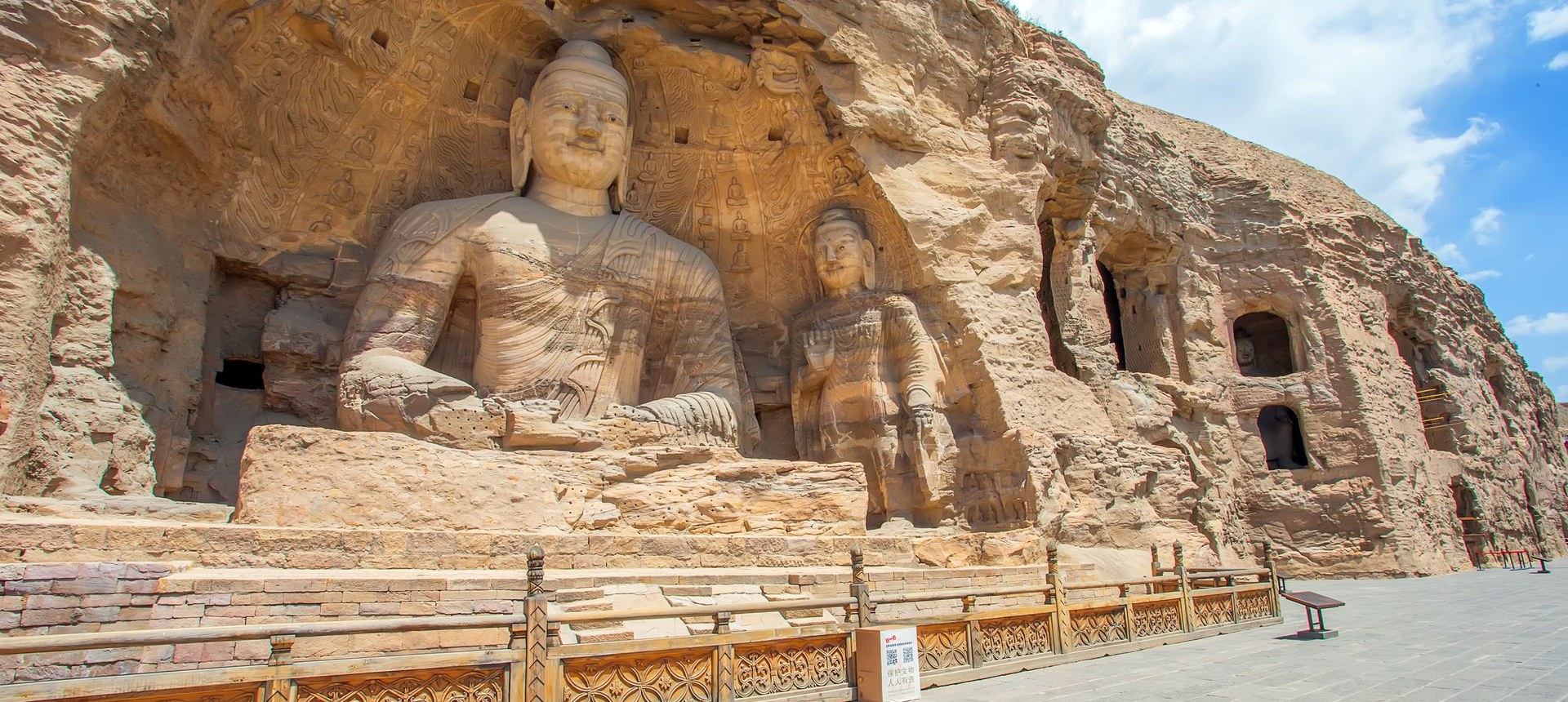
Fifty-one thousand Buddhas carved into a kilometre of sandstone cliff by the Northern Wei court — the colossal open-air Buddha of Cave 20 is among the most awe-inspiring sights in all of Chinese art.
Between 460 and 525 AD, the Northern Wei dynasty — then ruling northern China from nearby Pingcheng (today's Datong) — mobilised the empire's finest craftsmen to carve a holy mountain into the Yungang Grottoes. Across a kilometre-long cliff face they cut 252 caves and more than 51,000 statues, from fingernail-sized niches to 17-metre colossi, creating one of the world's great repositories of early Buddhist art and a UNESCO World Heritage Site since 2001.
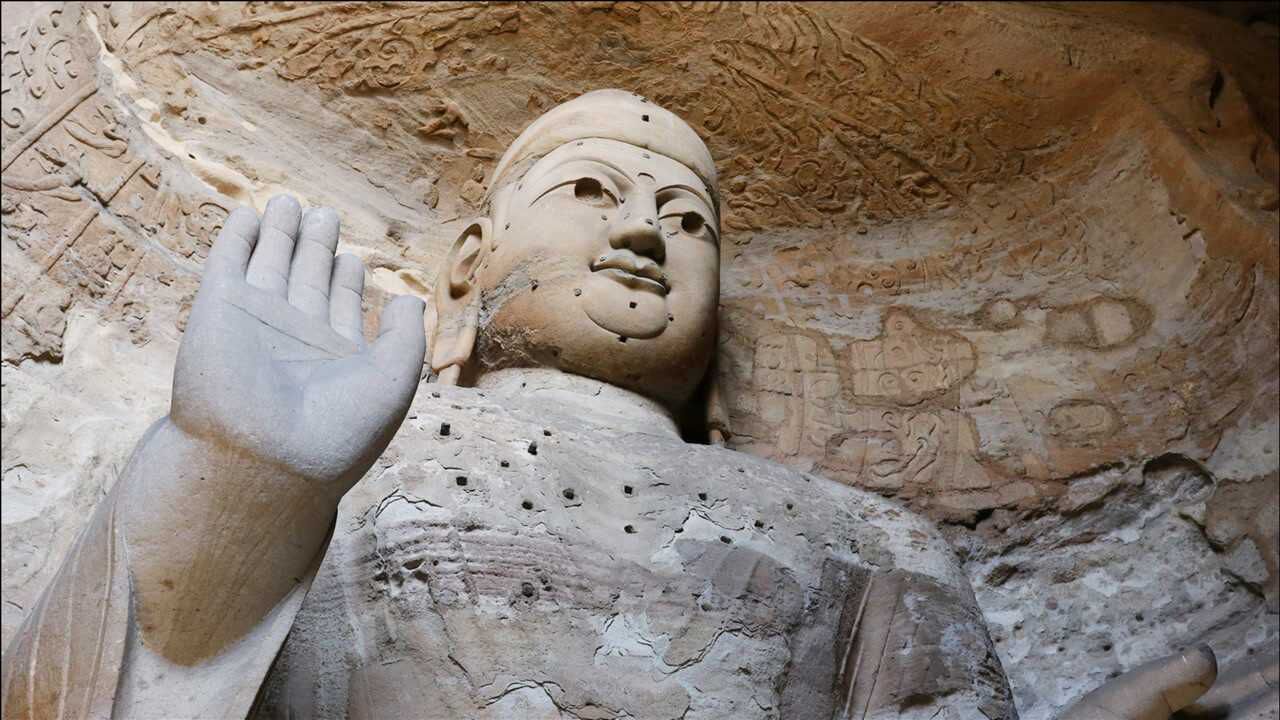
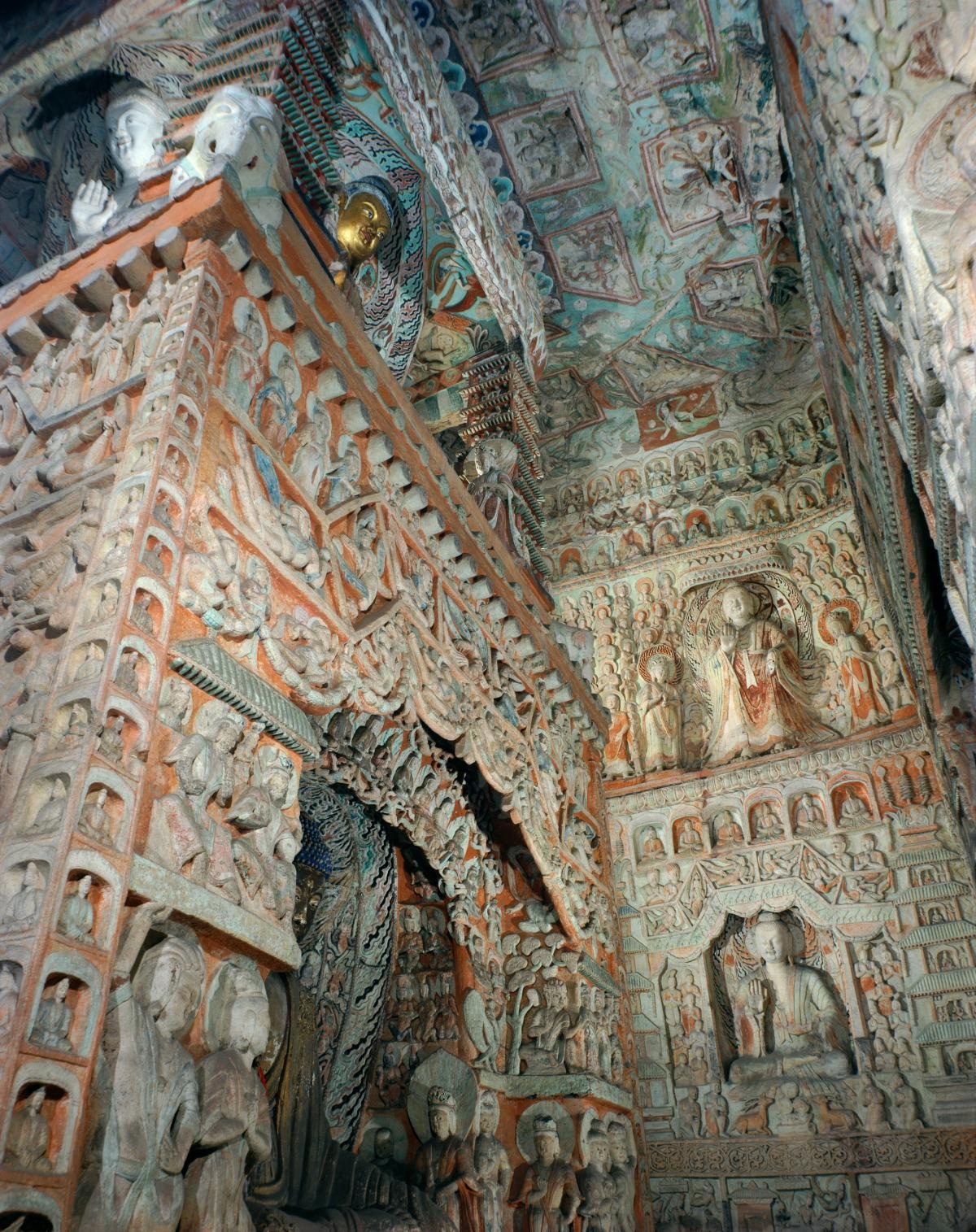
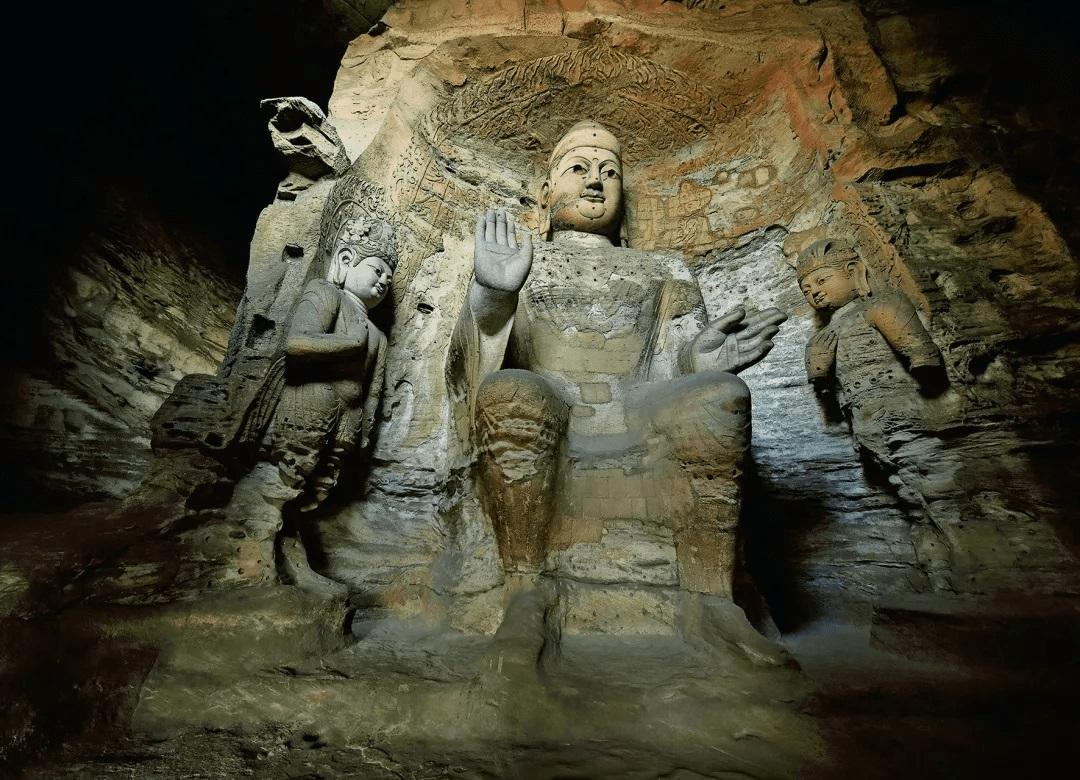
The art tells a remarkable story of cultural fusion: Gandharan curls, Persian wings and Gupta smiles meet Central-Plains robes on these walls, a Silk Road conversation in stone commissioned by a dynasty of steppe origin. Cave 20's open-air seated Buddha — the icon of Datong — gazes over its forecourt with a famous half-smile, while the twin Caves 5 and 6 wrap themselves in carved pagodas, reliefs of the Buddha's life and tens of thousands of miniature figures.
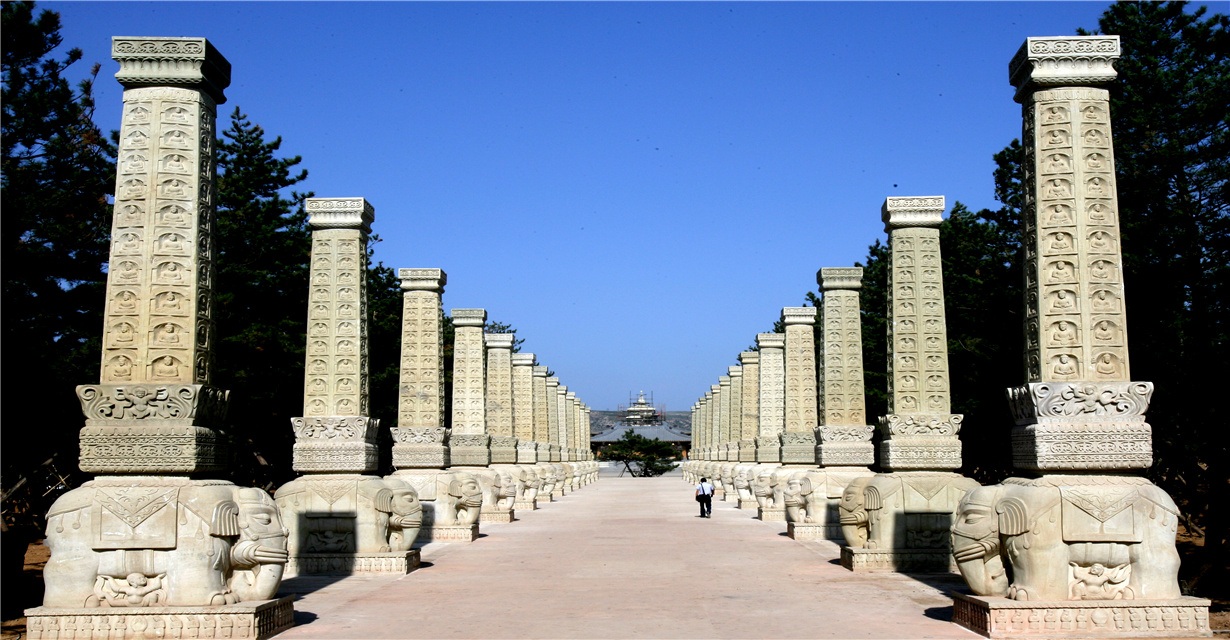
Today the scenic area blends the ancient cliff with a landscaped approach: Tan Yao Square, the new Yungang museum of rescued fragments, and a restored temple quarter — best enjoyed slowly, front-loading the caves before tour buses and low light arrive.
Highlights
Cave 20 Colossus
The 13.7-metre open-air Buddha whose serene half-smile is the emblem of Yungang.
Twin Caves 5 & 6
Wall-to-wall carving — the Buddha's life story in relief beneath a carved central pagoda; Yungang at its richest.
Cave 3, the Giant
The largest cave of all, its three big Buddhas a later, elegant addition to the Wei scheme.
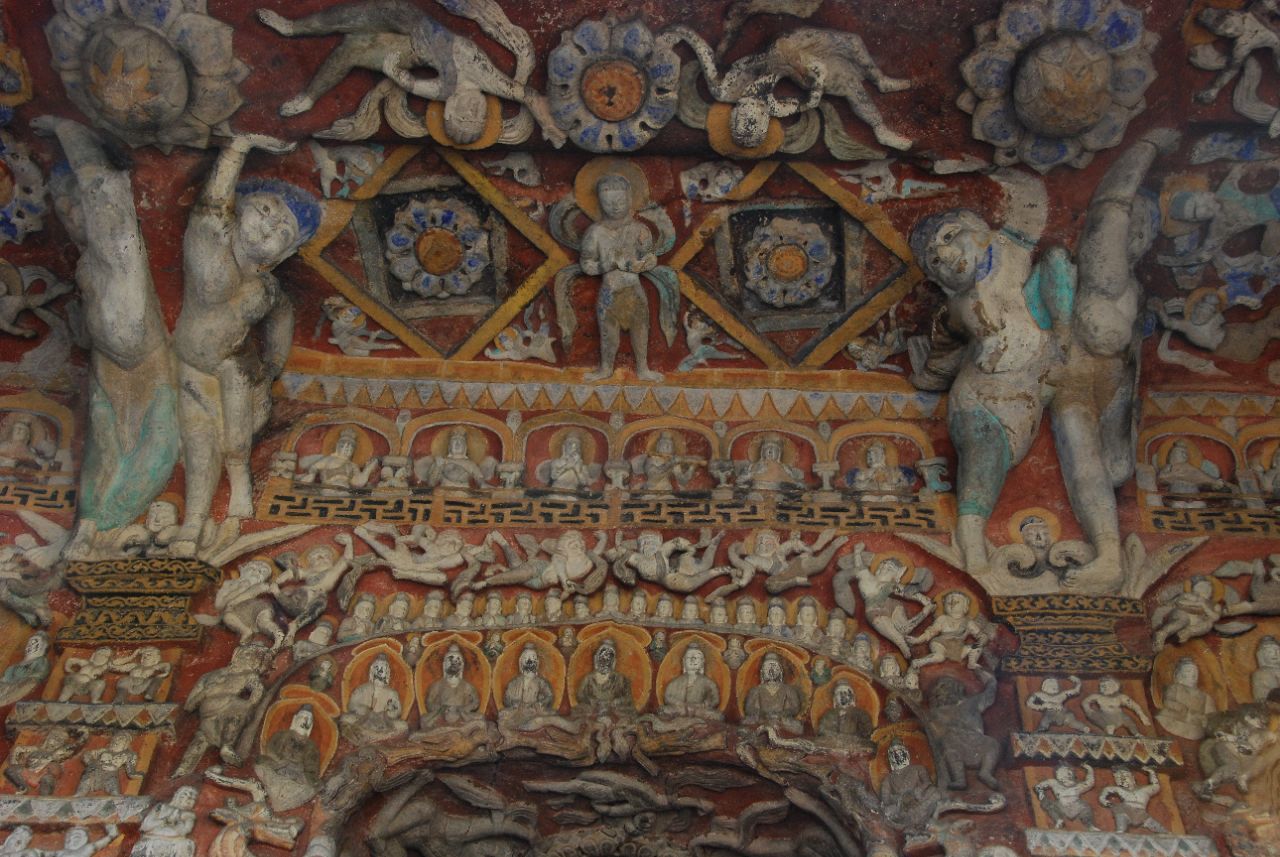
The Musical Cave (12)
Ceiling carvings of celestial musicians with konghou harps and flutes — a stone orchestra frozen mid-song.
Yungang Museum
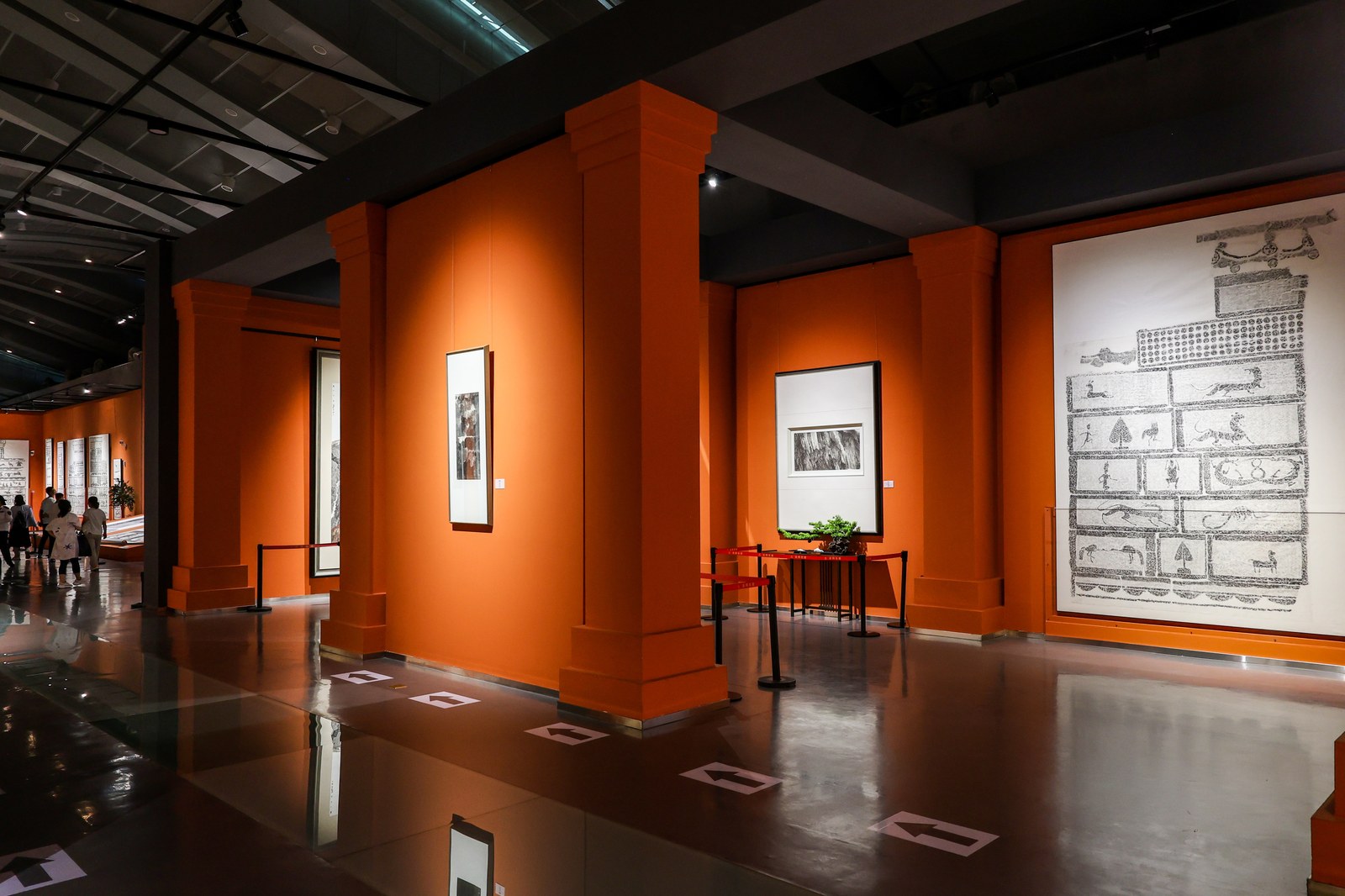
Rescued fragments and the caves' excavation story, on the landscaped approach.
Datong's Temple City
Pair the caves with Datong's city walls, Huayan and Shanhua temples for a complete ancient-capital day.
Photo Gallery
Comments