 CHINA 5A TRAVEL
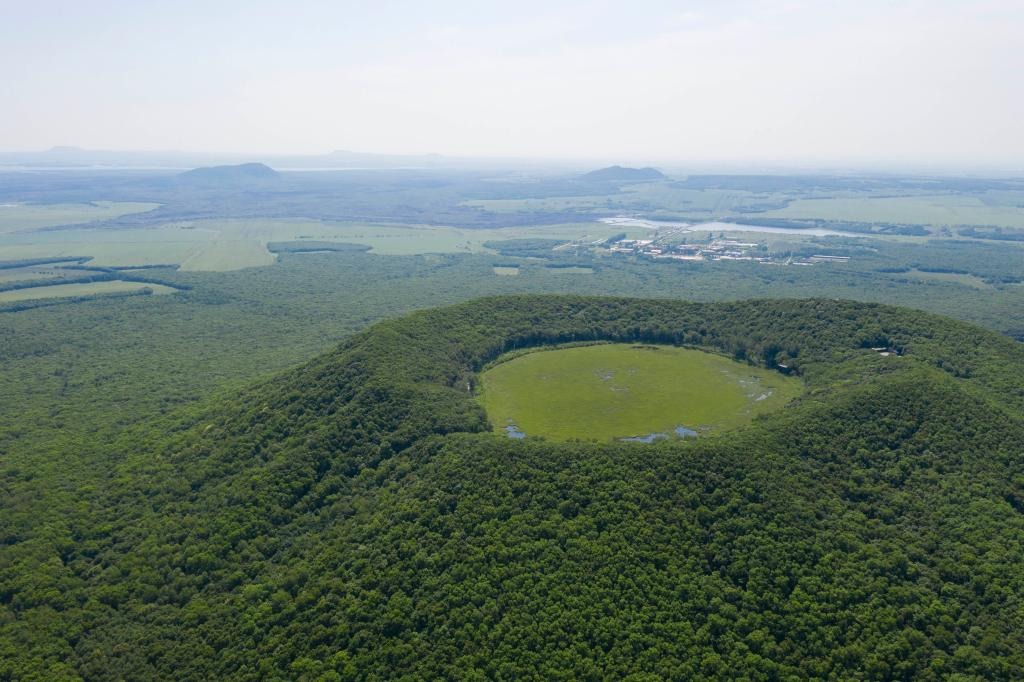
China's 'natural volcano museum': 14 cones, an 800-km² lava plateau and five lakes born of the 1719–21 eruption, laced with naturally fizzing cold mineral springs.
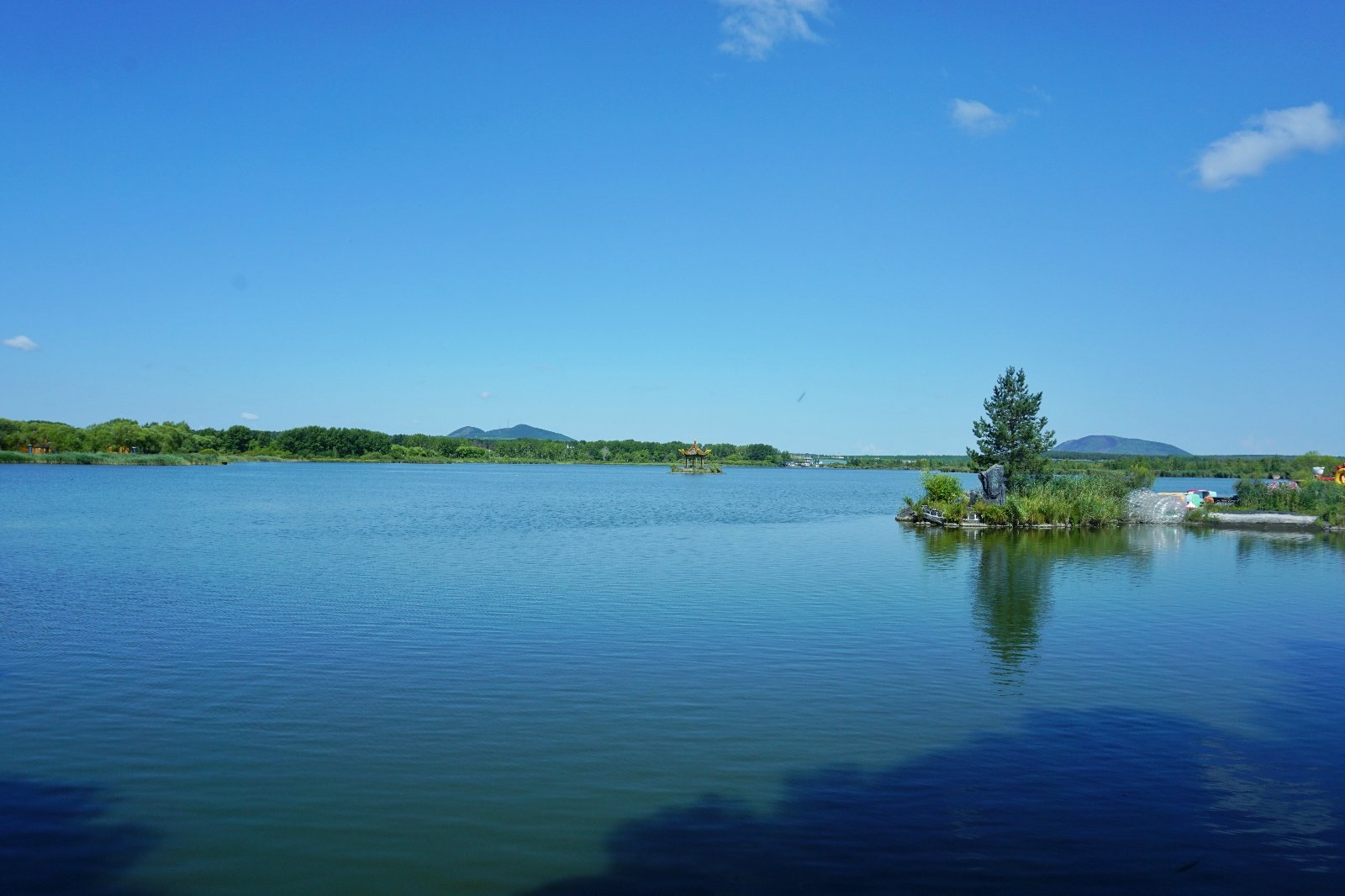
Wudalianchi (五大连池) — 'Five Great Connected Lakes' — is China's freshest volcanic landscape: between 1719 and 1721, in the Qing Kangxi era, the twin cones of Laoheishan and Huoshaoshan staged the country's most recent eruptions, and their black lava dammed the Baihe River into a chain of five barrier lakes. Fourteen cones stand around them in a chessboard pattern along old fault lines, the whole 1,060-km² reserve preserving 2.1 million years of eruption history. UNESCO inscribed it among the first Global Geoparks in 2004 and a World Biosphere Reserve in 2003; a founding National Scenic Area since 1982 and a 5A scenic area since 2011, geologists simply call it a 'natural volcano museum' and an 'open volcano textbook'.
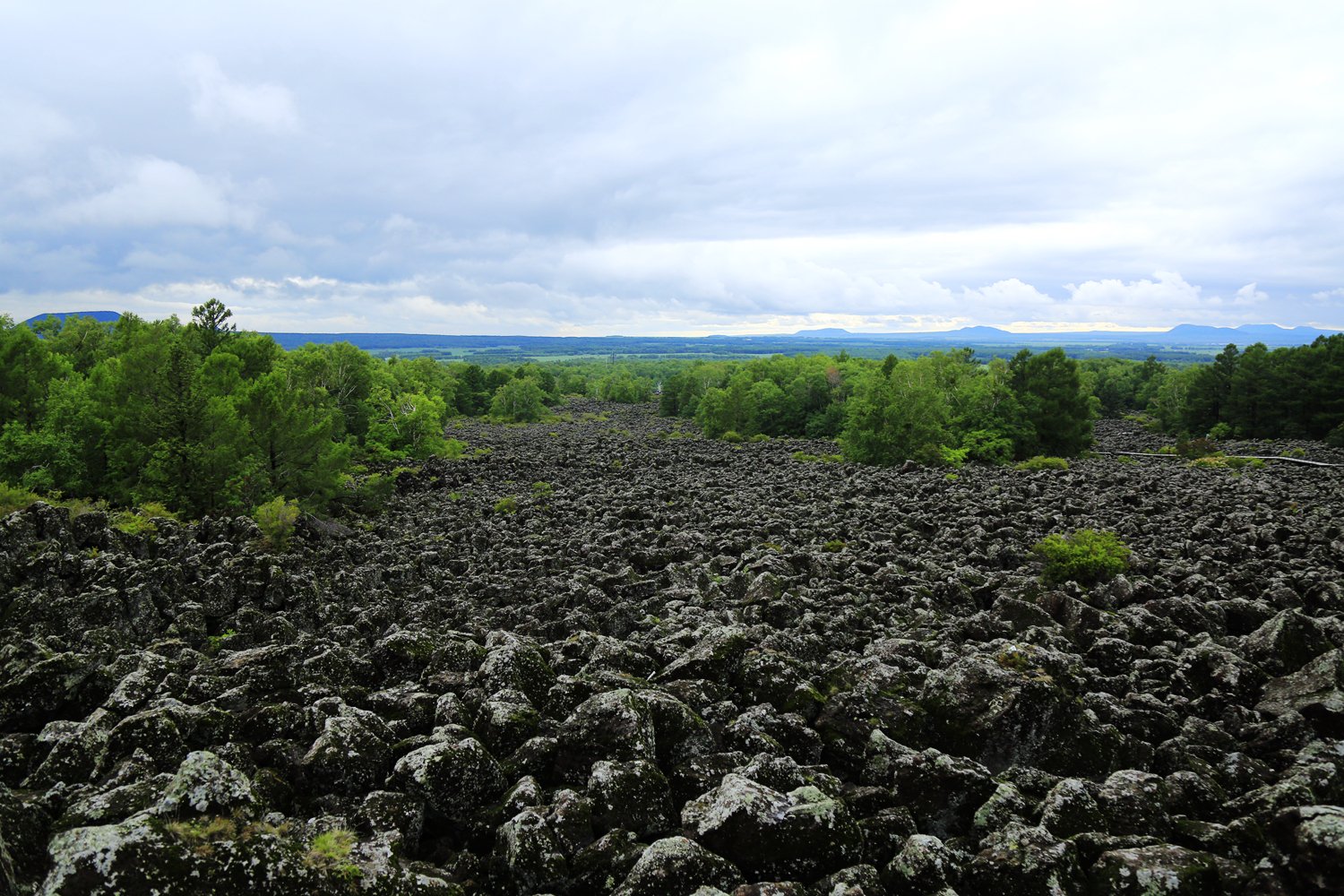
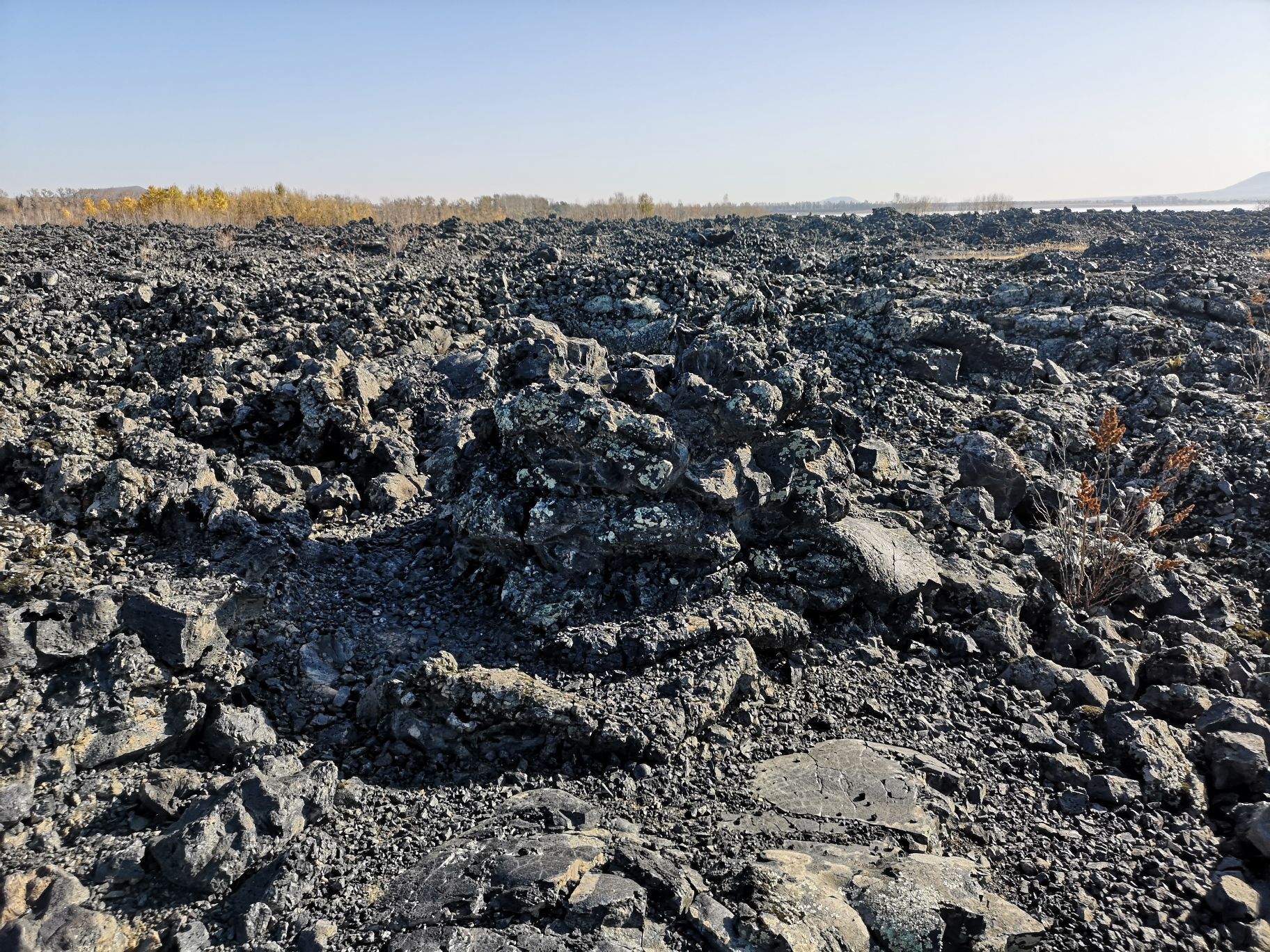
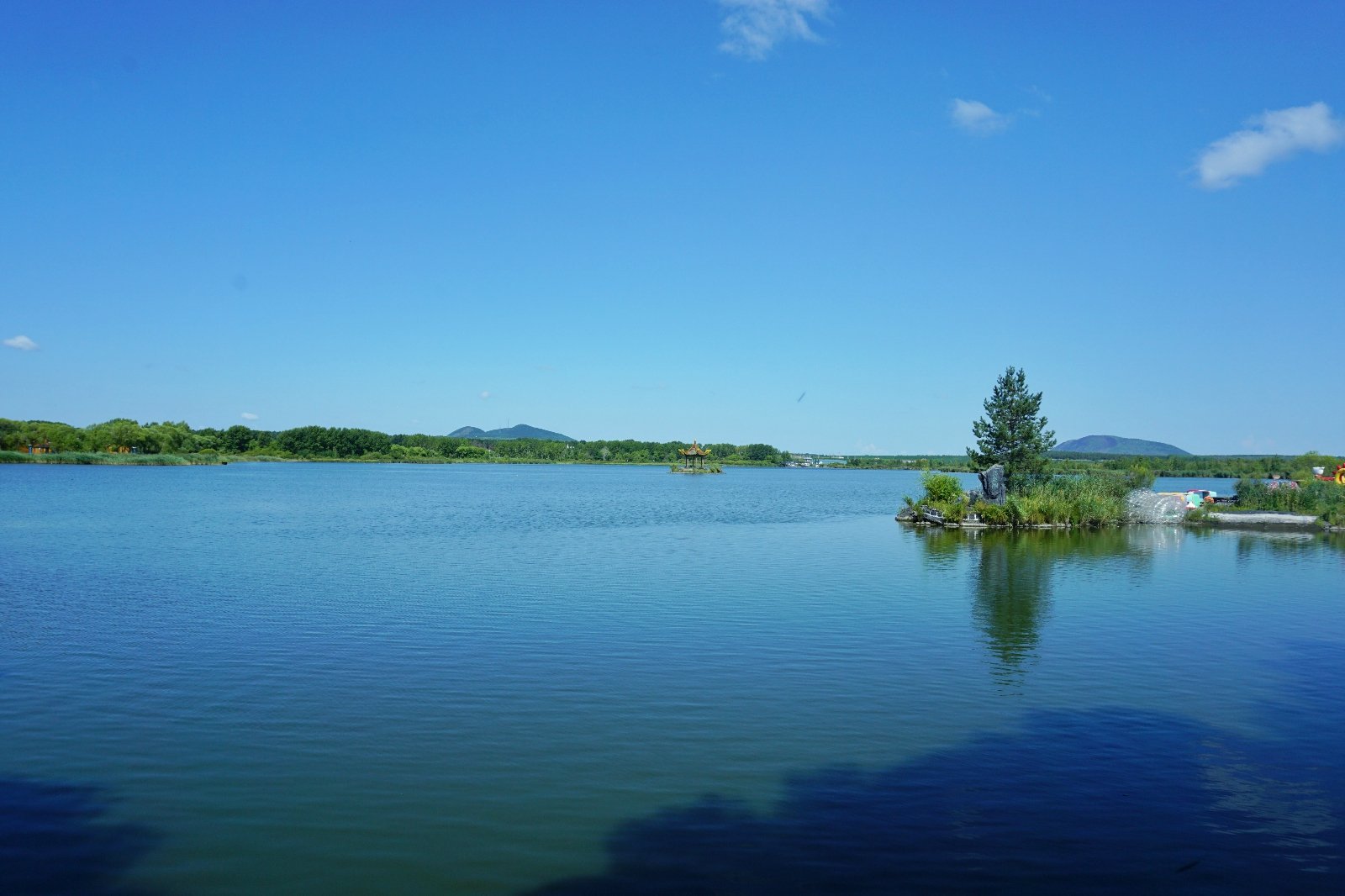
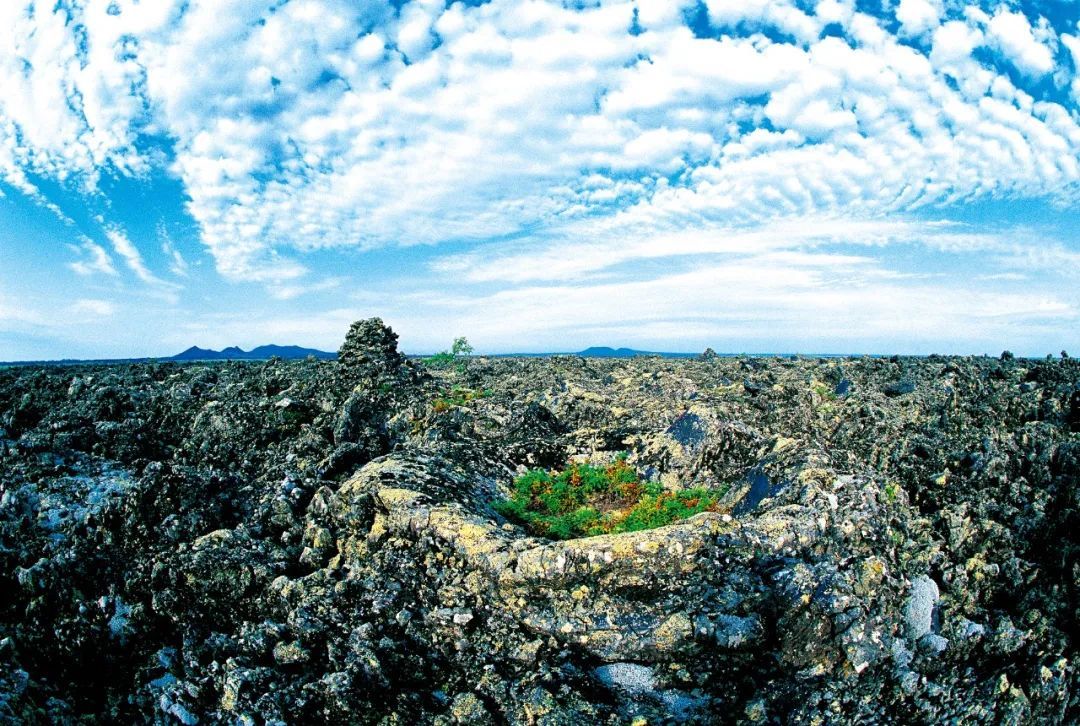
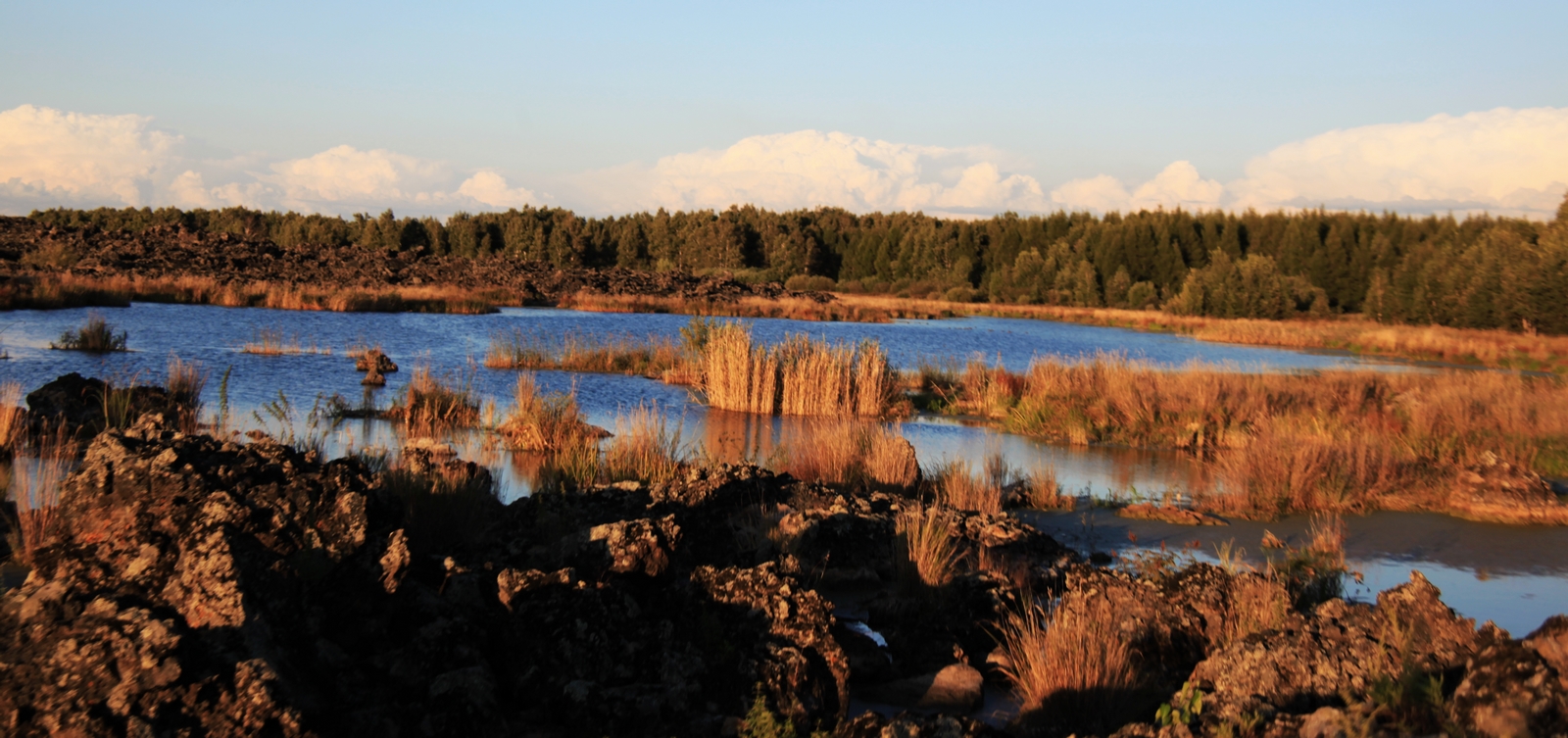
The scenery behind the credentials: an 800-km² plateau of ropey and blocky lava scattered with hundreds of hornitos — spatter cones and discs ranked among the densest and best preserved on Earth — plus lava-tube tunnels and a 20-km string of lakes threaded like blue beads through black stone. Several hundred cold mineral springs rise through it all: naturally carbonated, iron-silicon bicarbonate water at 3–5°C carrying 30-plus trace elements, classed with Vichy and Narzan among the world's three great cold springs. July averages a mere 21°C, which is why the field doubles as a northern cool-summer escape with a century-old sanatorium culture — a place where the day begins with a jug at the spring.
The modern visit centers on the zones officially open: the never-freezing pools of Wenbo, the fizzing drinking halls of the North Medicinal Spring, the boulder fortress of Longmen Shizhai, the low temple-topped cone of Yaoquan Mountain, and the free Volcano Geological Museum that explains it all. The signature crater rim of Laoheishan, the Stone Sea, Huoshaoshan, both lava-tube ice caves, South Spring and Gelaqiushan Tianchi are resting closed inside the national nature reserve, with no reopening date set — treat older guides' crater walks as history, confirm the day's open list on the official channels or hotline, and let lava, lakes and springs fill the days instead.
Highlights
Wenbo, the Warm Pools
Three spring-fed pools (温泊) that never freeze — a steady ~14°C on the Shilong lava flow, steaming through the worst of winter, best by boardwalk and boat.
Drinking the Earth at North Spring
Fill your own bottle with naturally carbonated 3–5°C mineral water at the glass drinking pavilion (北药泉) — the faint iron tang is the signature, the fizz is free.
Longmen Shizhai, the Stone Village
A 300,000-year-old blocky lava flow piled like a black fortress (龙门石寨) — birch-lined boardwalks, May azaleas on the stone, gold foliage come autumn.
Yaoquan Mountain & Erlong Spring
The field's lowest cone (药泉山), 400 easy steps to a crater-top Buddhist temple and lake panoramas, with a free ice-cold drinking spring at its foot.
Bailong Lake Cruise & Sunsets
The largest and deepest of the five barrier lakes (白龙湖) — volcano reflections on mineral-blue water and the area's classic sunset from the shore.
Museum, Holy Water Festival & Food Street
The free cone-shaped geological museum with its 3D cinema, June's Holy Water Festival (火山圣水节) and its water-worship ceremony, and a 70-stall mineral-food street.
Photo Gallery
Comments