 CHINA 5A TRAVEL
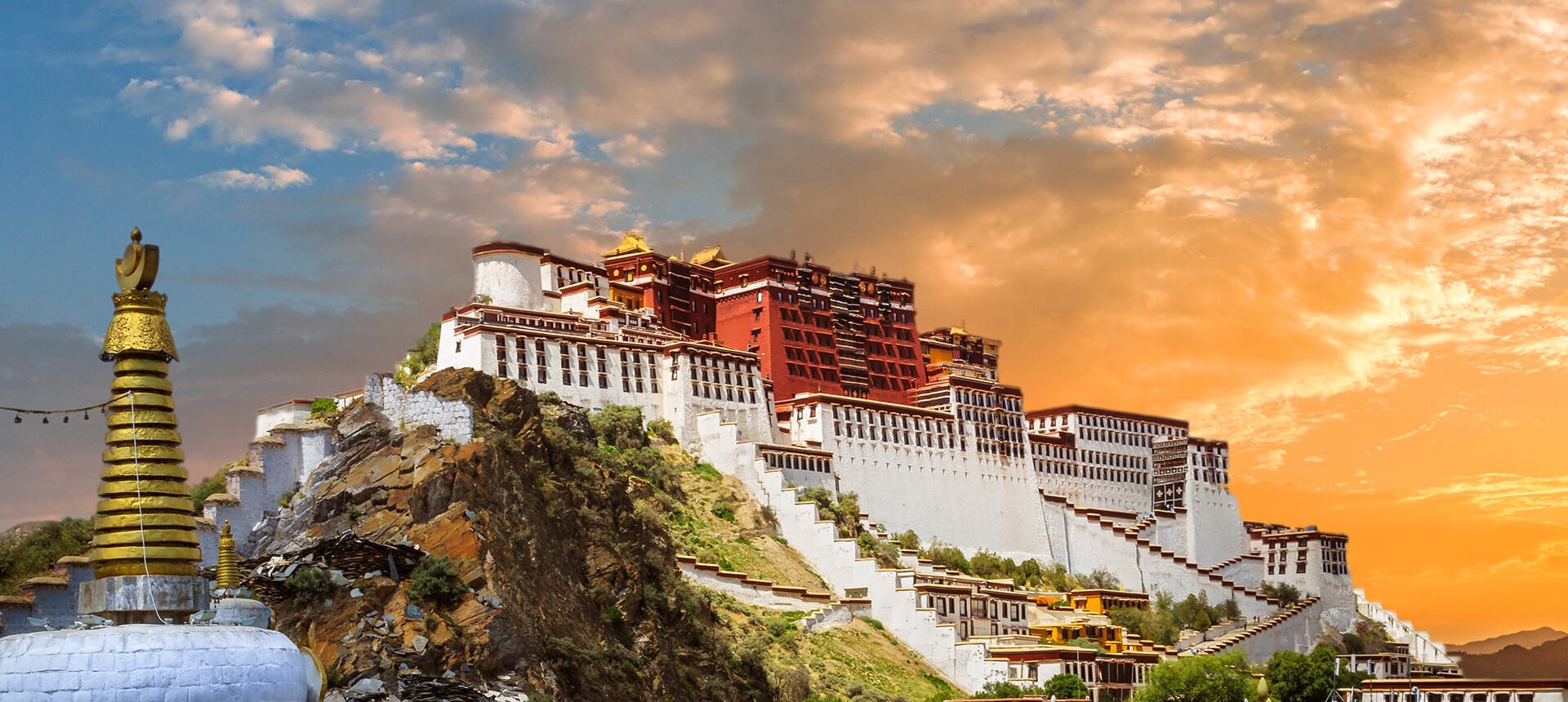
The red-and-white fortress-palace rising 117 meters over Lhasa on Marpo Ri - 1,300 years of Tibetan state and faith, from the 7th-century Songtsen Gampo foundation to the Dalai Lamas' gilded stupas. Book ahead: entry is capped daily.
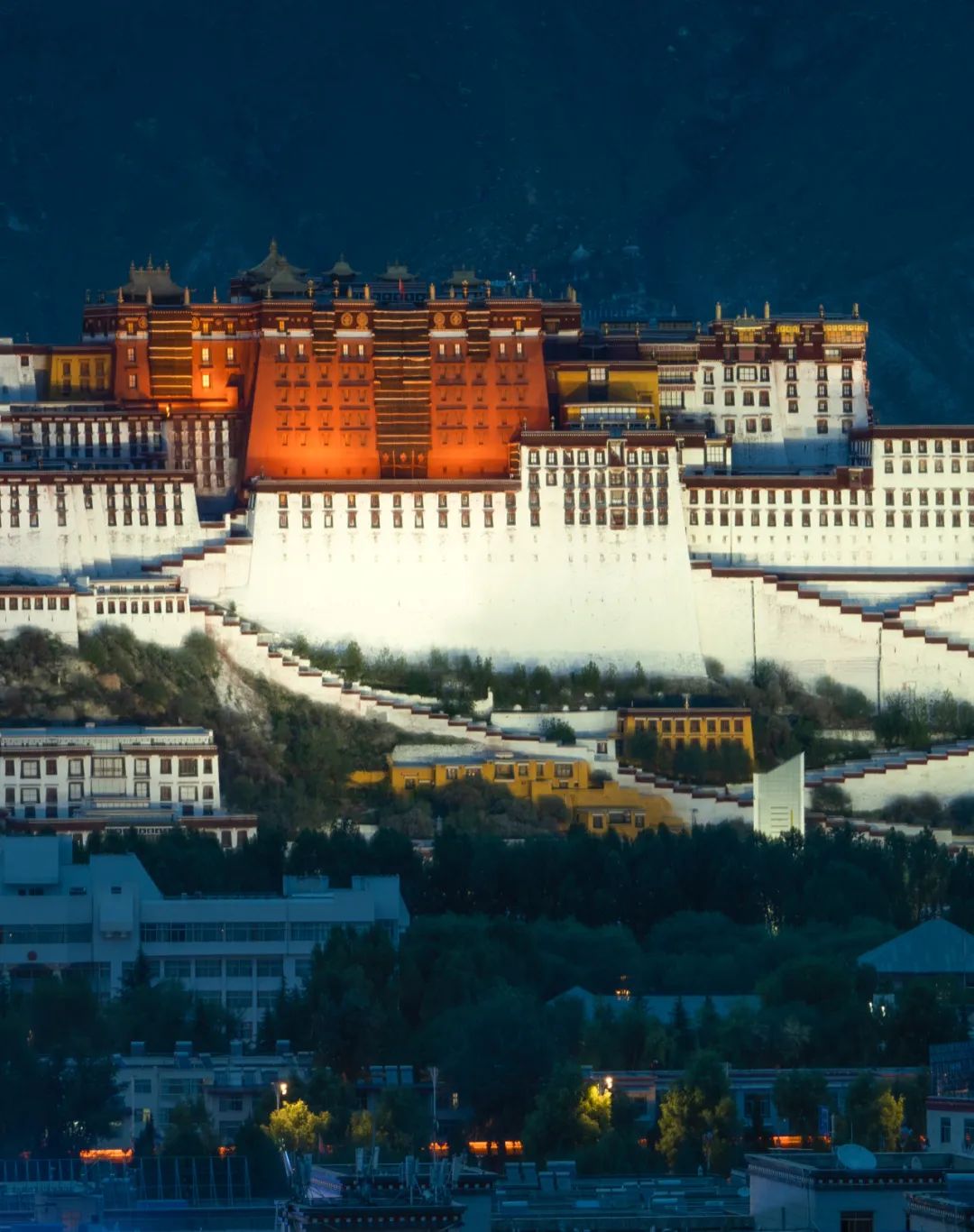
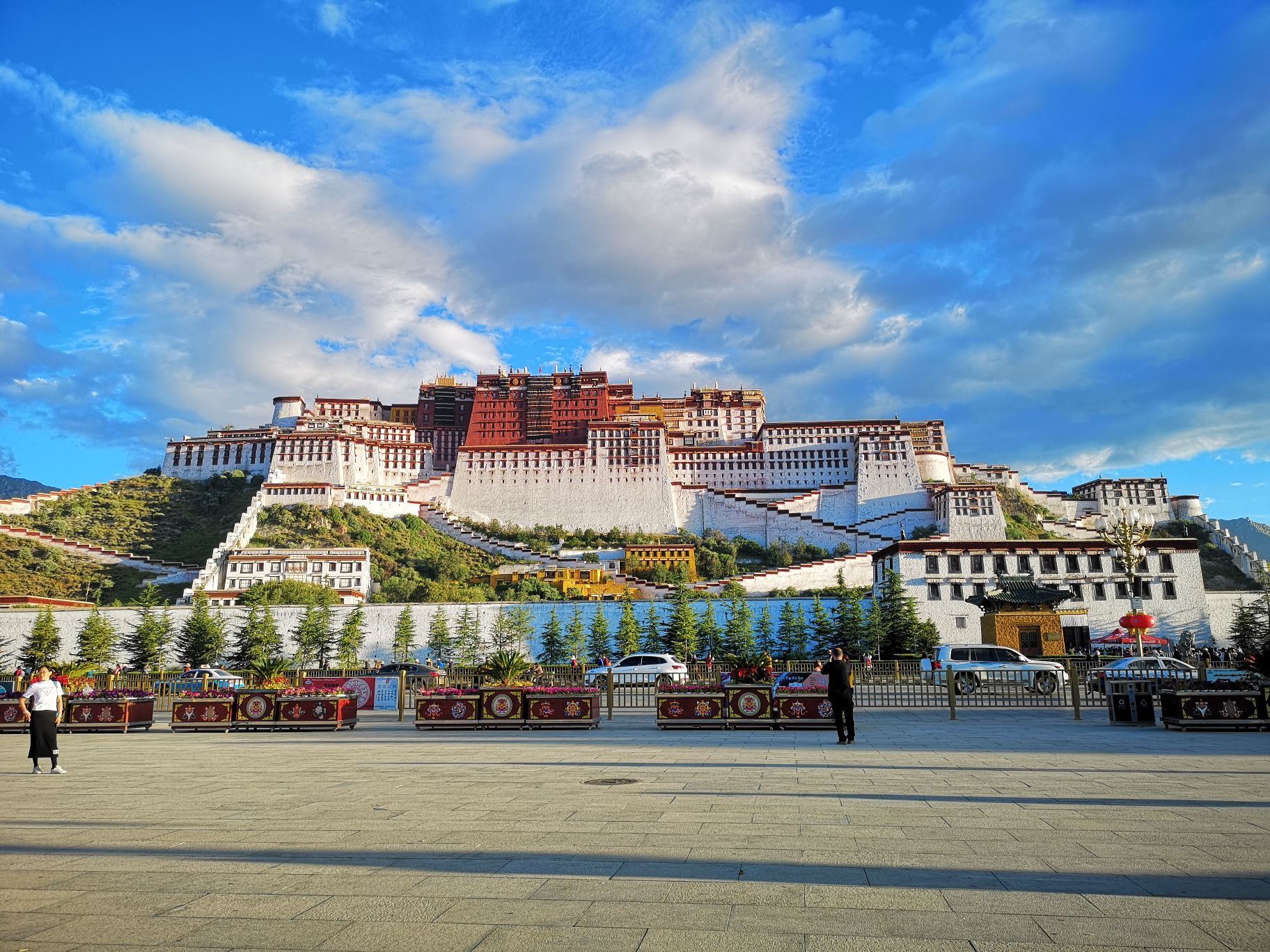
The Potala Palace climbs the shoulder of Red Hill (Marpo Ri) above Lhasa's valley floor, its white palace walls stacked beneath the ochre-red core like a lotus emerging from rock. Begun by King Songtsen Gampo in 637 AD and rebuilt by the Great Fifth Dalai Lama in the 1640s, it remained Tibet's political and spiritual seat until 1959 - and remains, at 3,700 meters, the highest ancient palace on earth and a UNESCO World Heritage site since 1994.
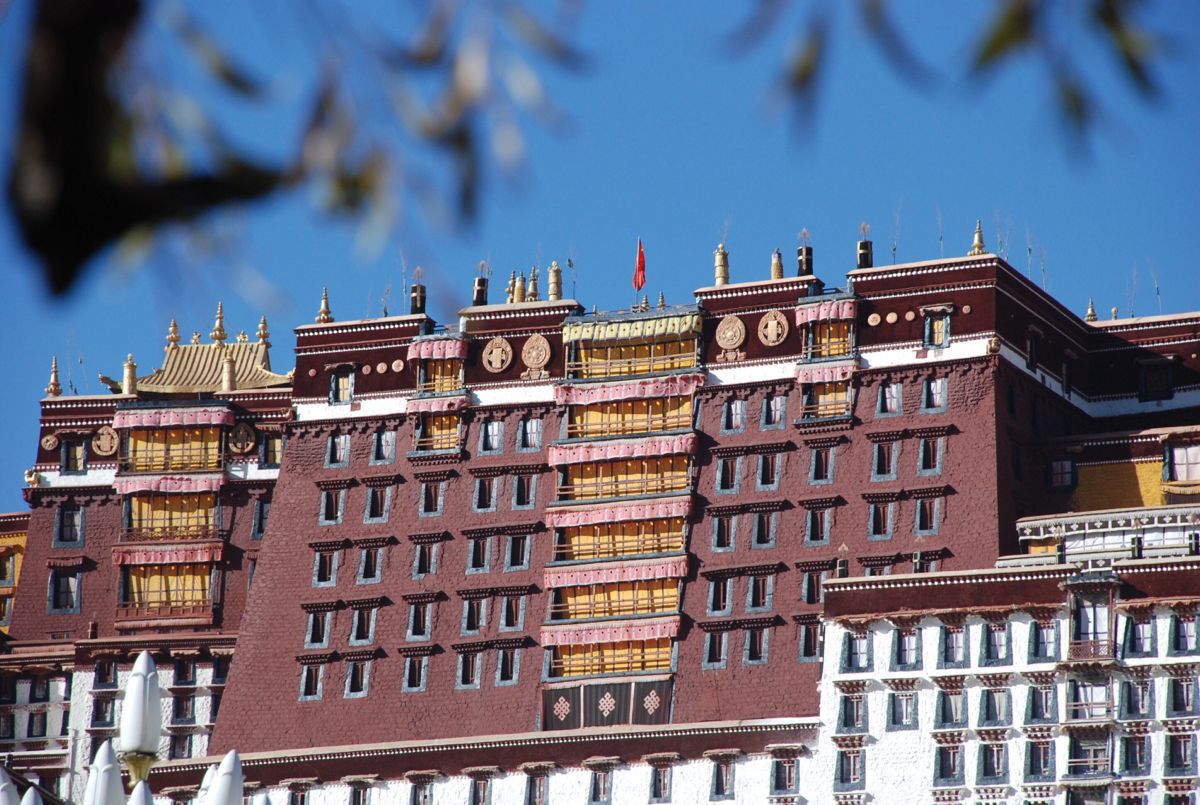
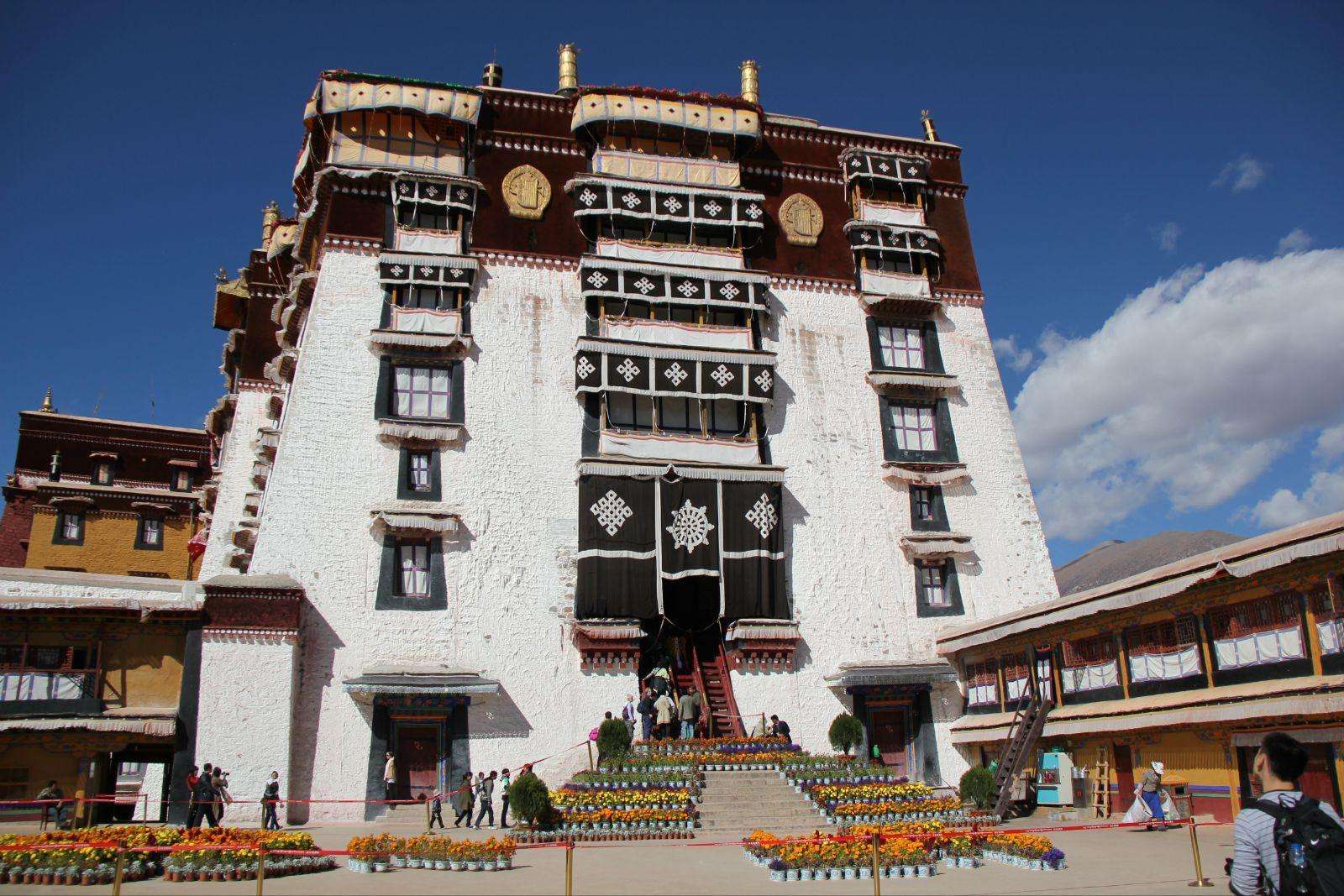
Inside, more than a thousand rooms spiral upward: the White Palace wings that held the Dalai Lamas' living quarters and offices, and the Red Palace heart where chapels cluster around eight gold-and-jewel stupas of past Dalai Lamas - the Fifth's tomb alone said to use five tons of gold. Thangkas, murals, scripture halls and the roof of carved dragon spouts fill the intervening floors; the visit is a one-way ascent through them, then a stair descent into the town.
Outside, the palace frames Lhasa life: pilgrims prostrating along the kora circuit, the reflection pond of Zongjiao Lukang park to the north, and the camera positions everyone knows - Yaowang Hill's viewing platform for the classic postcard, and Potala Square at night when the facade is lit gold. Entry requires advance booking and carries strict quotas; the palace closes Mondays (except mid-summer).
Highlights
The Red Palace stupas
Eight funerary stupas of the Dalai Lamas - the Fifth's is 14 meters tall, sheathed in gold and encrusted with turquoise, coral and pearls.
The one-way climb through history
The visit route ascends from the White Palace stables and courtyards up through scripture halls to the roof - 3 hours of walking altitude.
Yaowang Hill viewpoint
The southwest platform where every postcard of the palace - and the reverse 50-RMB note view - is framed at dawn or dusk.
Zongjiao Lukang reflection
The park's pond behind the palace: willows, pilgrim circuits, and the palace mirrored on still mornings.
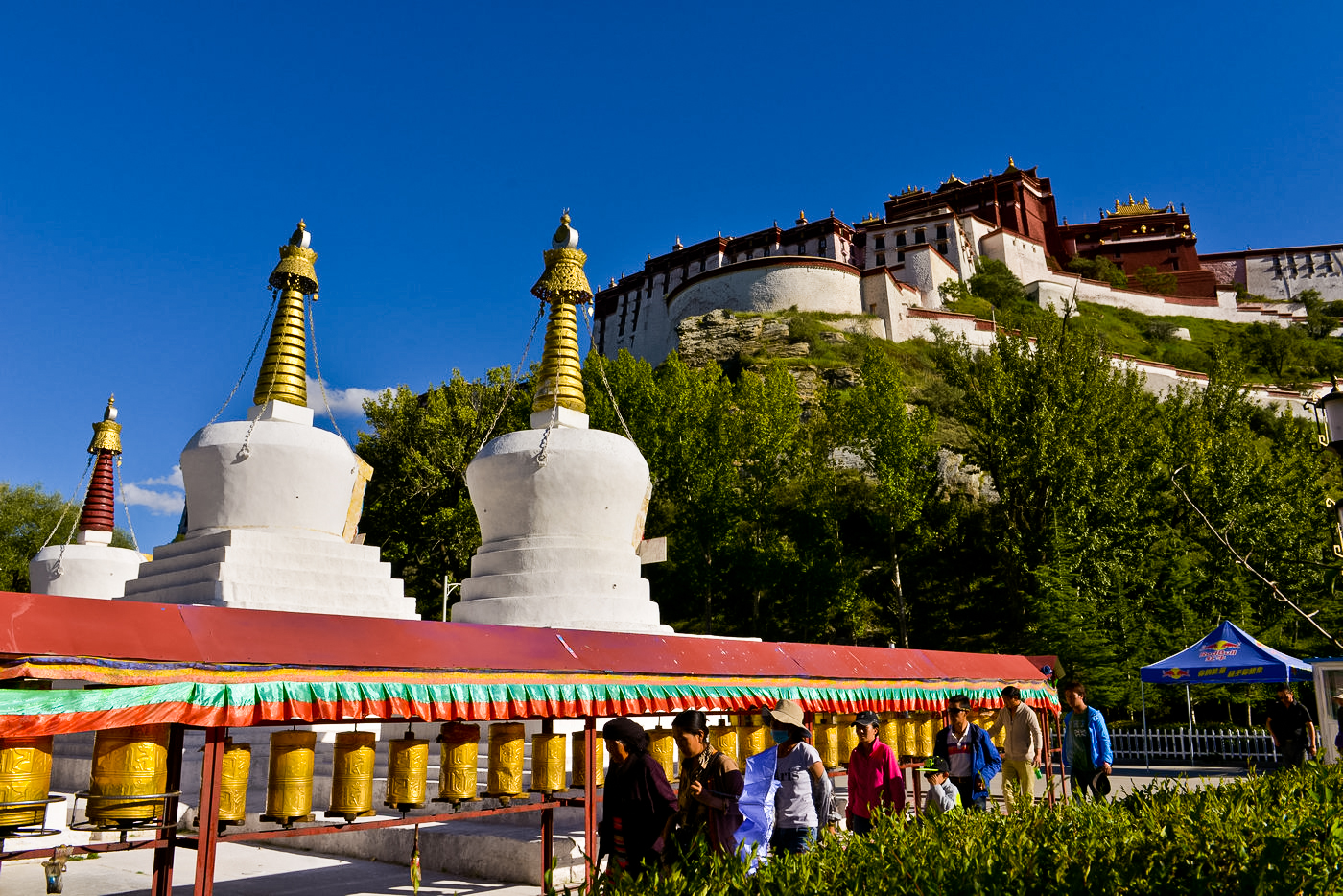
The kora with pilgrims
Join the circuit of prayer wheels ringing the palace base - Lhasa's most concentrated devotion, clockwise and unhurried.
Potala Square at night
The vast plaza south of the palace: fountains, the lit facade, and the fountains-to-face night photography setup.
Photo Gallery
Comments