 CHINA 5A TRAVEL
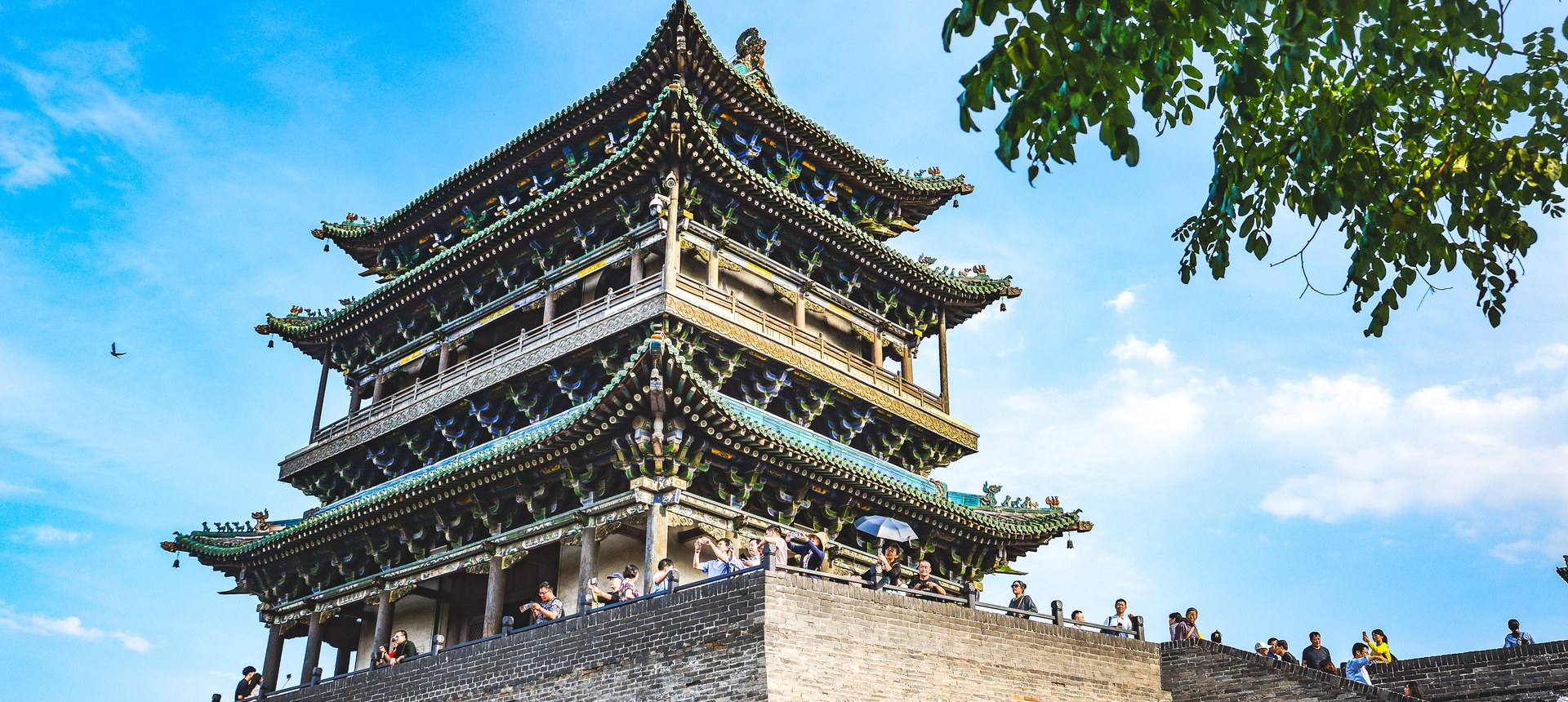
China's best-preserved walled town — 2,700 years of history beneath six kilometres of Ming ramparts, where the lanes of the world's first banks still run between grey-tiled courtyards and red lanterns.
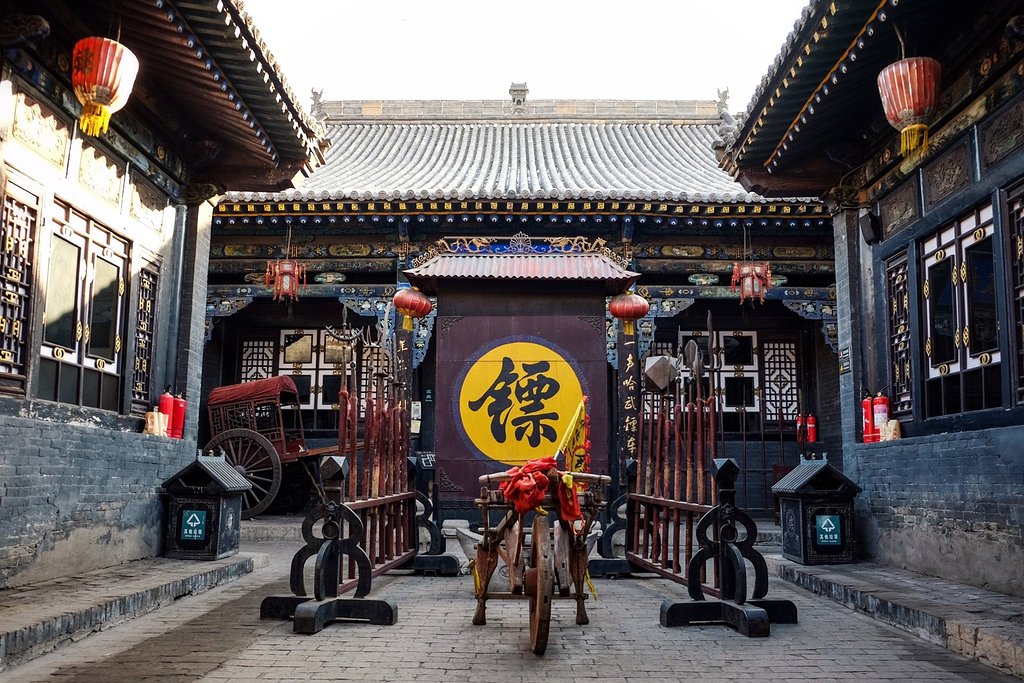
Pingyao grew rich on remittance banking: in the 19th century its Draft Bank (piaohao) — founded here at Rishengchang in 1823 — made this small Shanxi town the financial engine of the Qing empire, moving silver across China by draft rather than caravan. When the banks faded, the town simply stopped building — freezing a complete Ming-and-Qing city of 4,000 courtyard homes inside its 1370 walls.
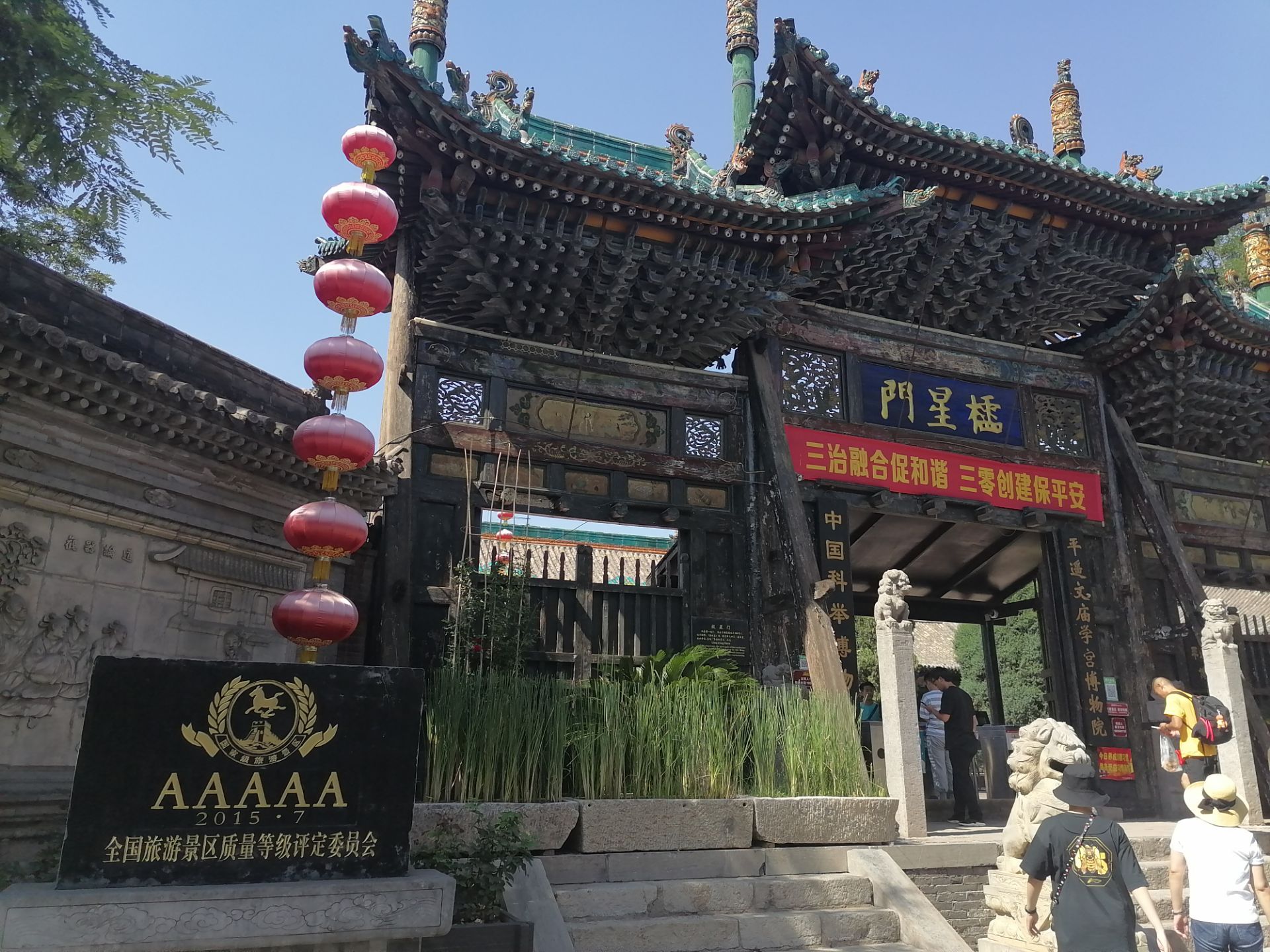
UNESCO inscribed the whole city in 1997. Its checkerboard lanes follow the character 'tu', anchored by the Ming-Qing shopping street, the Confucian Temple, the City God Temple, the complete county yamen (magistrate's office with courts and jail), and China's first bank HQ where costumed clerks still write drafts with brushes for visitors.
Evenings bring the town's magic hour: lantern light on South Street, the 20:00 3D light-and-shadow show on the Yingxun Gate walls, and the sight of the entire old city glowing from the rampart walk — one of China's great travel scenes.
Highlights
The City Wall
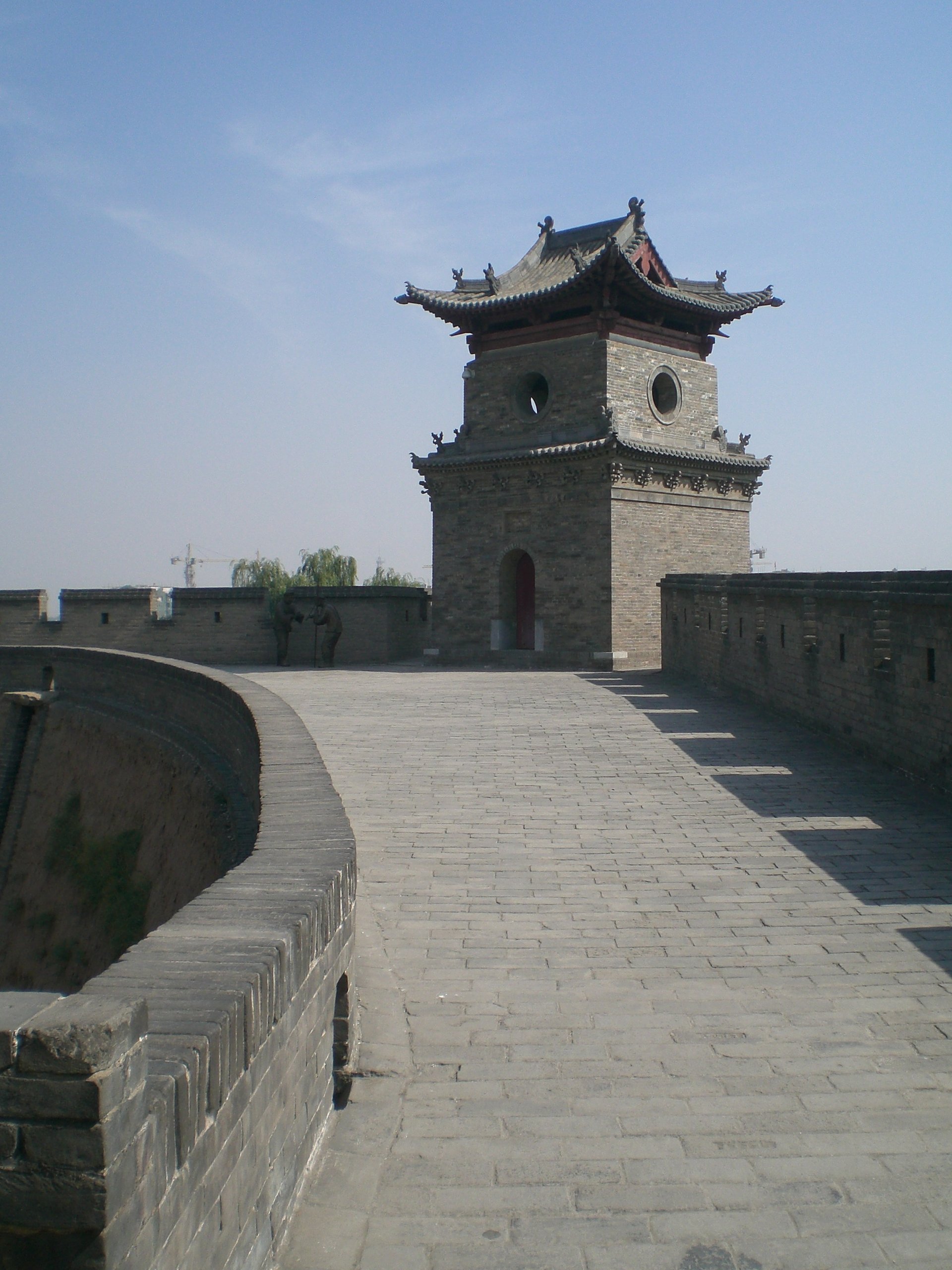
Six kilometres of Ming ramparts with 72 watchtowers — walk them at dawn or dusk for the rooftop panorama.
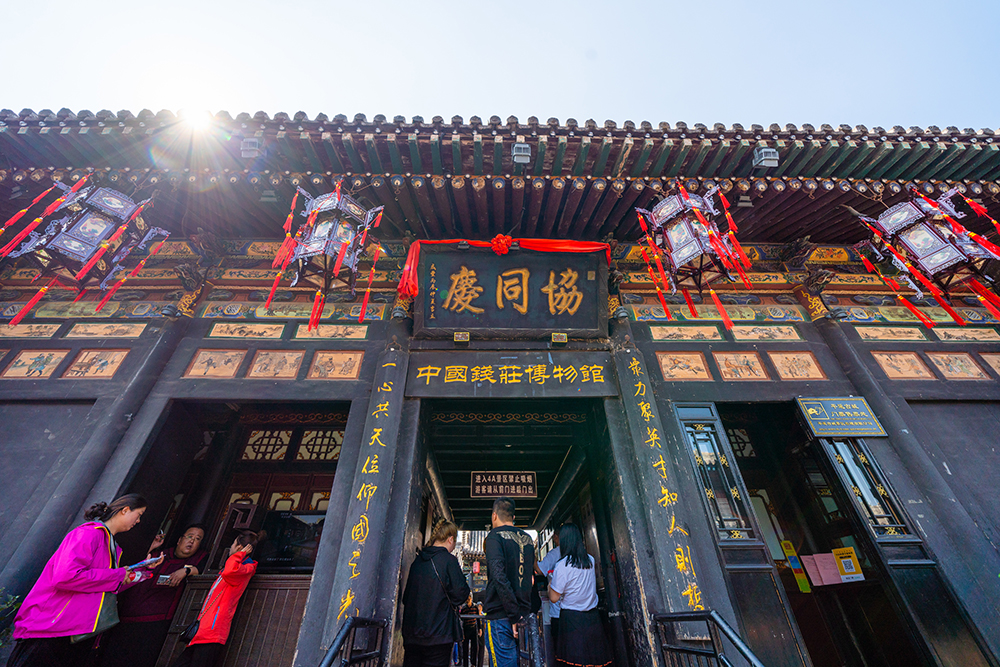
Rishengchang Draft Bank
The birthplace of Chinese banking, where the old manager in robes writes you a traditional draft.
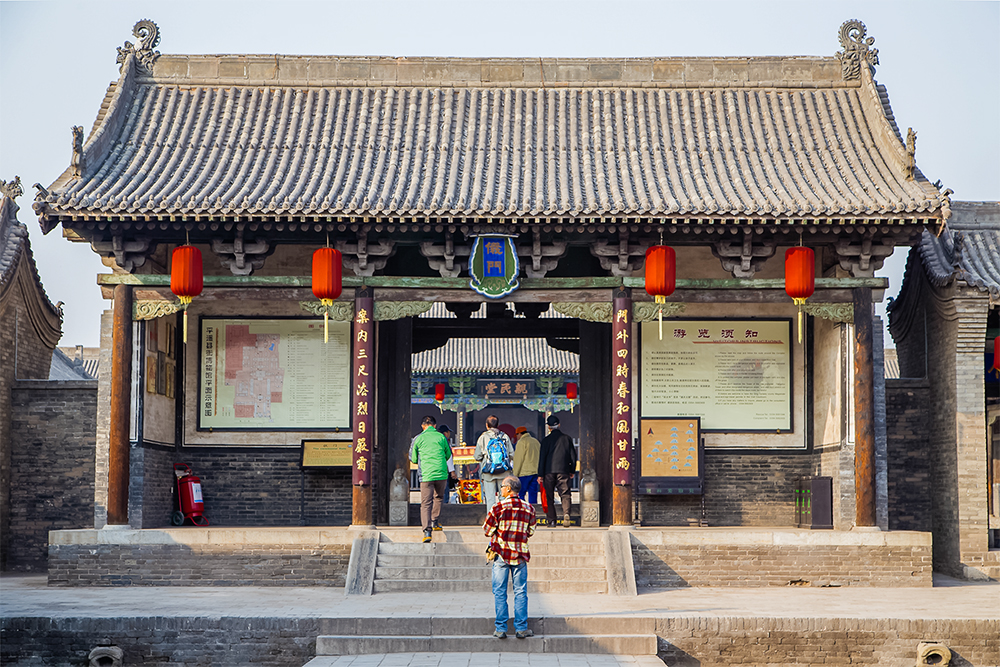
County Yamen
A complete Qing magistrate's compound — courts, cells and daily re-enactments of imperial justice.
Ming-Qing Street
The lantern-strung spine of the old city, bankfronts and wine shops preserved as museums and inns.
Shuanglin Temple
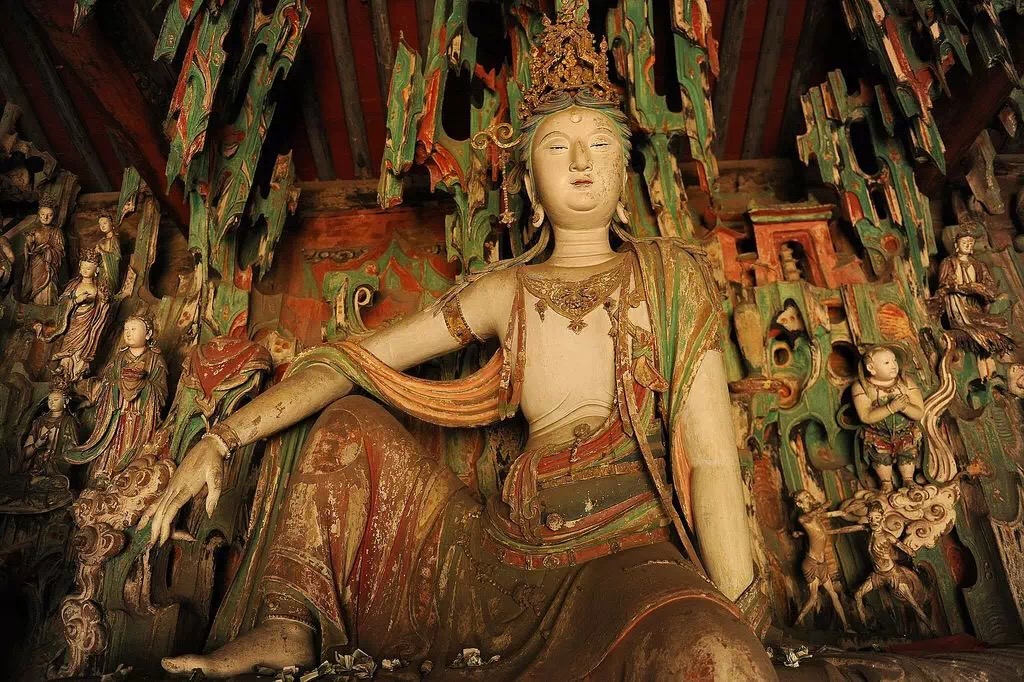
1,400 painted clay figures of the Ming era (separate ¥33) — one of China's great sculpture collections.
Evening Light Show
The 18-minute 3D projection on Yingxun Gate at 20:00 nightly, weather permitting.
Photo Gallery
Comments