 CHINA 5A TRAVEL
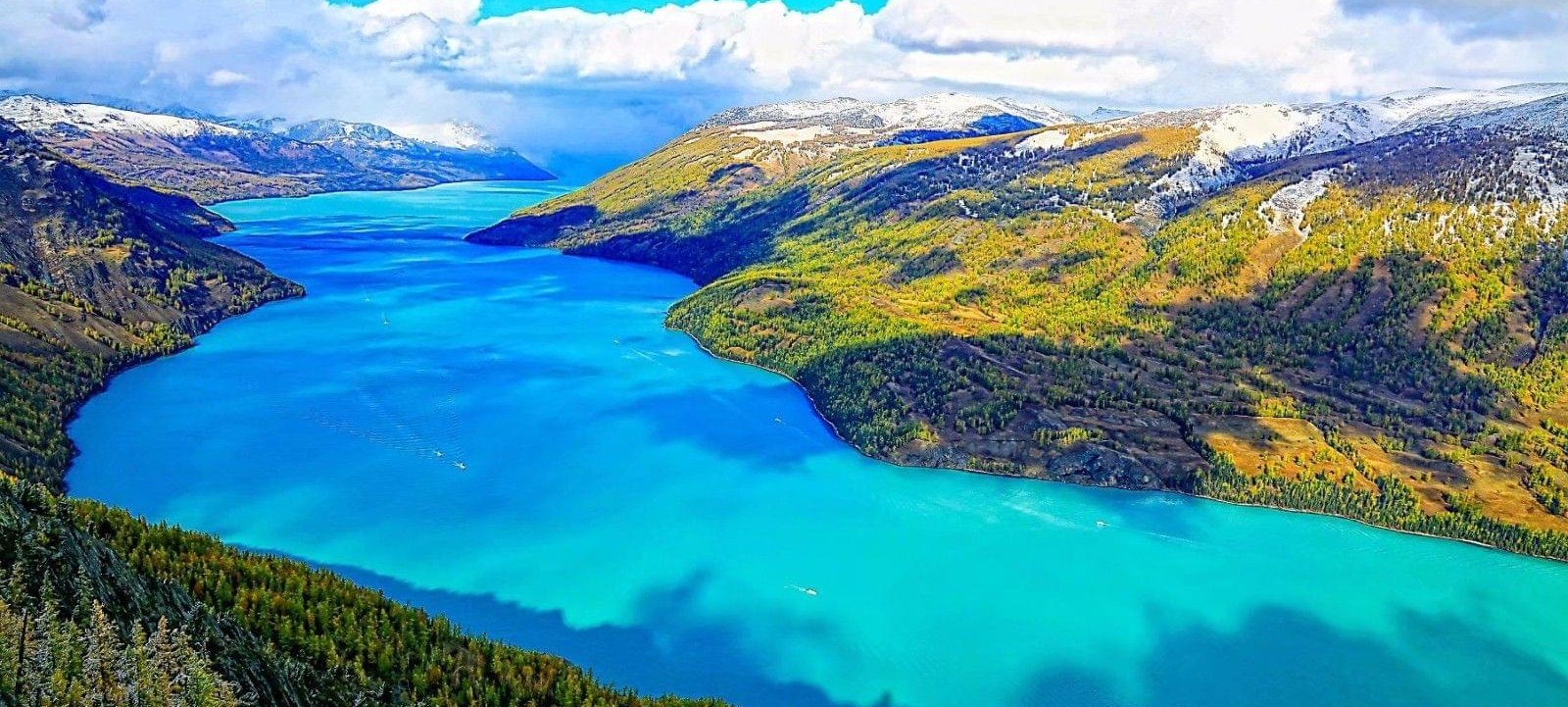
A milk-green glacial lake ringed by Siberian spruce and Tuva log villages in Altay's far north - three jade bays on the outflowing river, a monster in the depths, and 'God's Backyard' under autumn's gold birch or winter's powder snow.
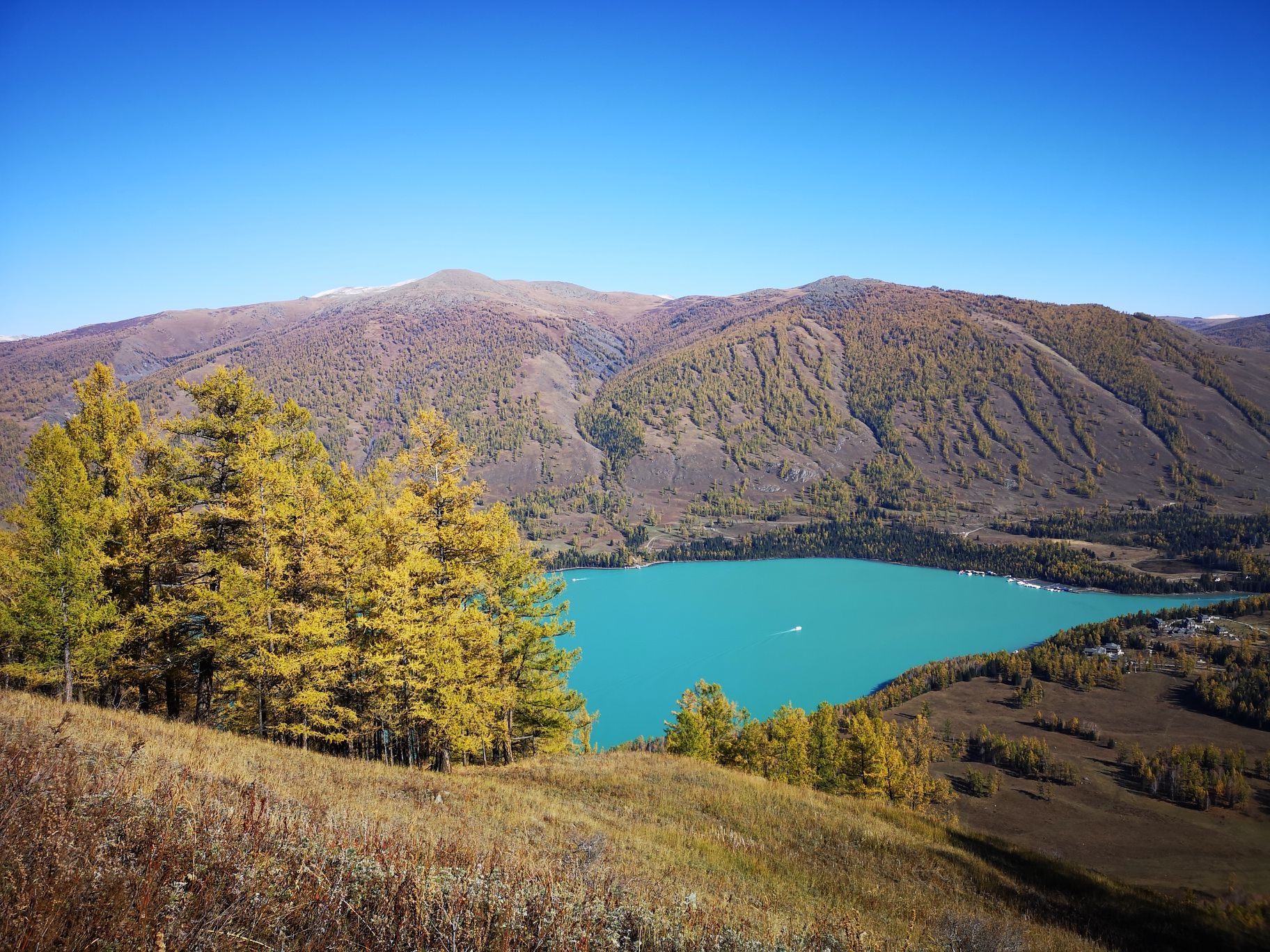
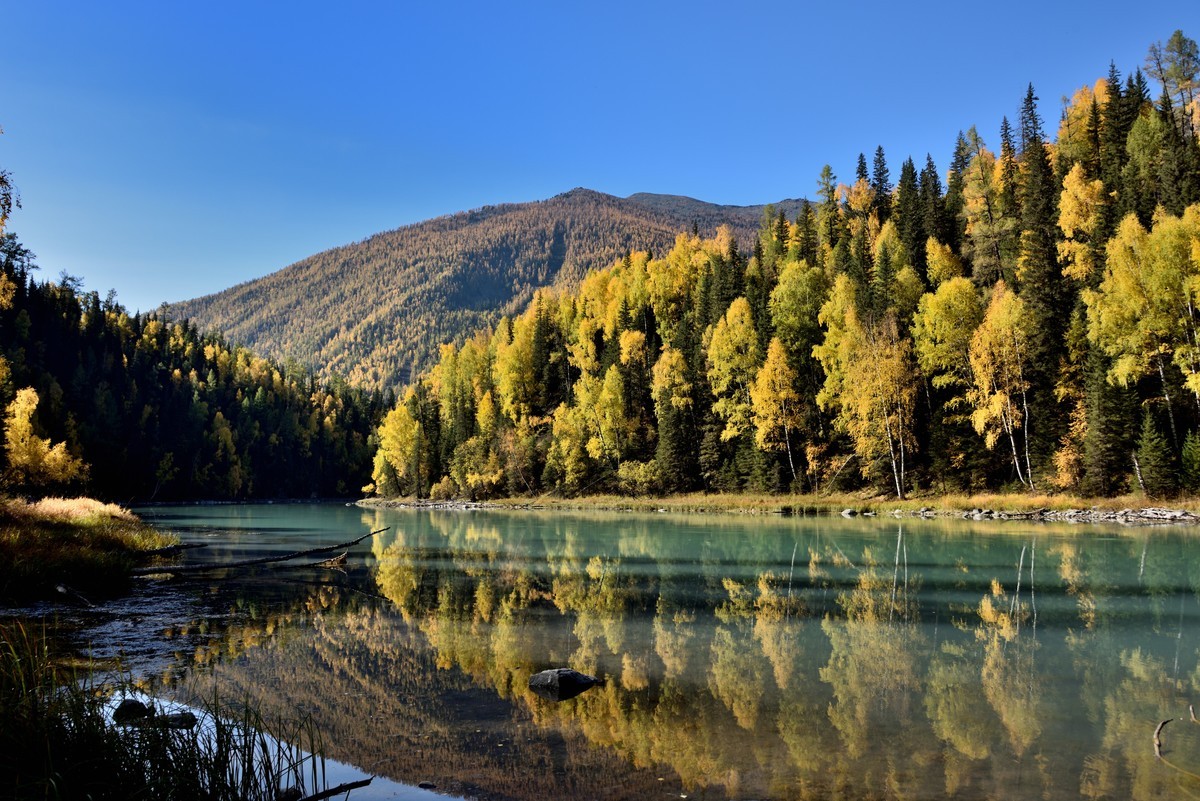
Kanas sits in the Altay mountains of far northern Xinjiang, a glacier-fed lake whose color shifts between jade and milky turquoise as rock flour loads the water. Around it lies China's closest geography to Siberia - dark taiga spruce, white birch, and the log-house villages of the Tuva people, horsemen whose ancestors (by their own account) rode here with Genghis Khan. The 2024 hit series 'To the Wonder' (My Altay) filmed this country and made it a byword for untouched pastoral China.
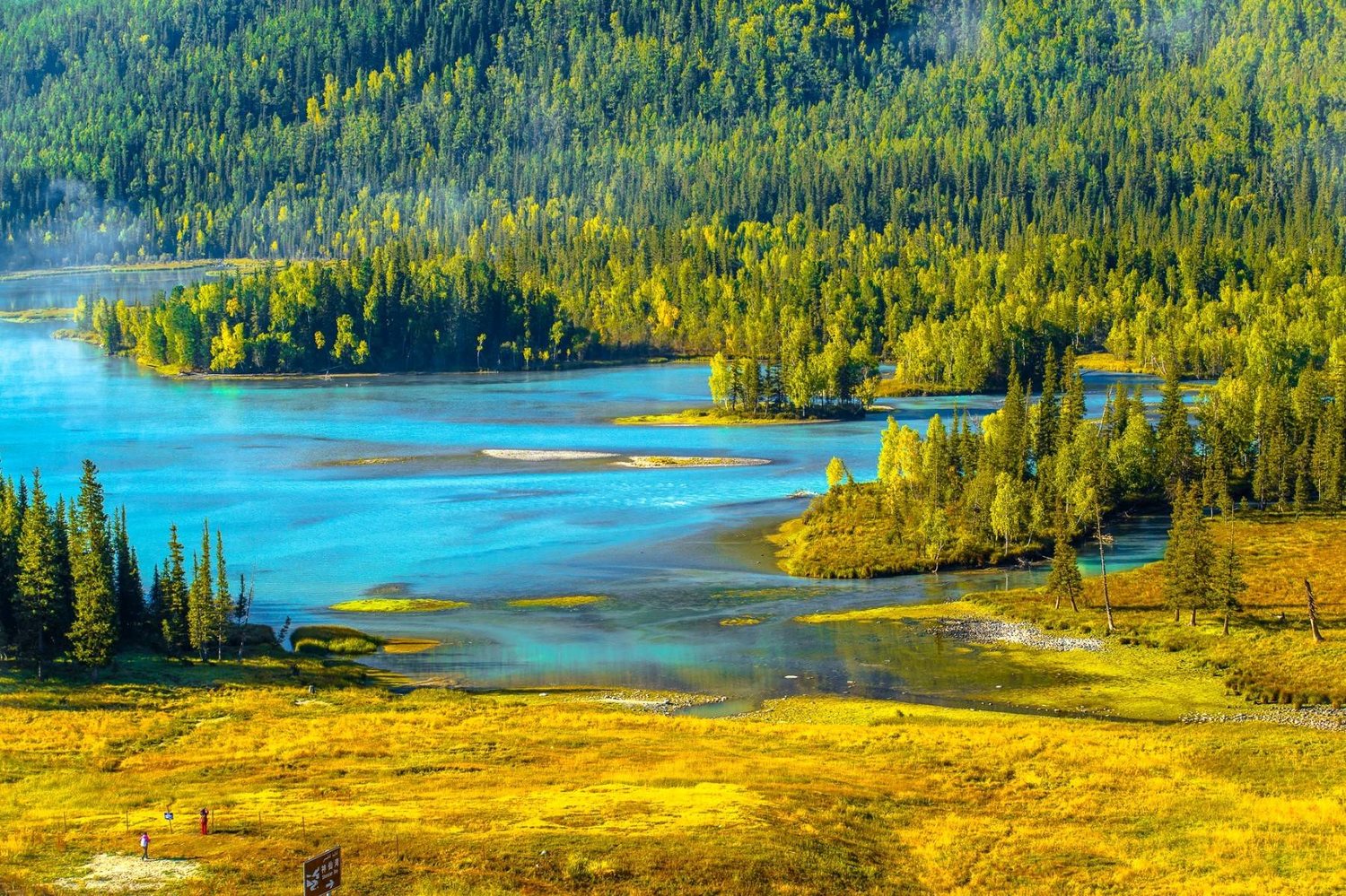
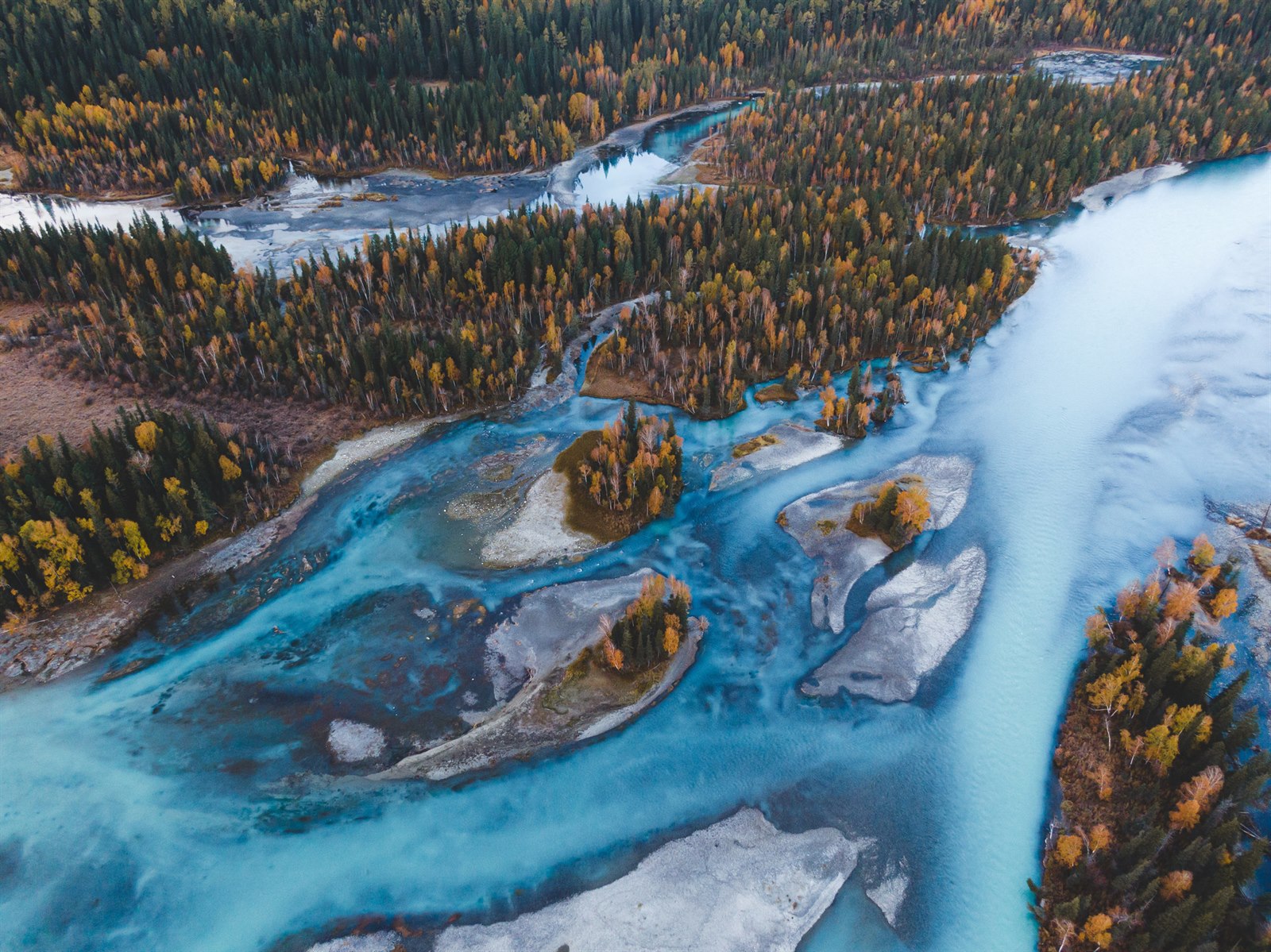
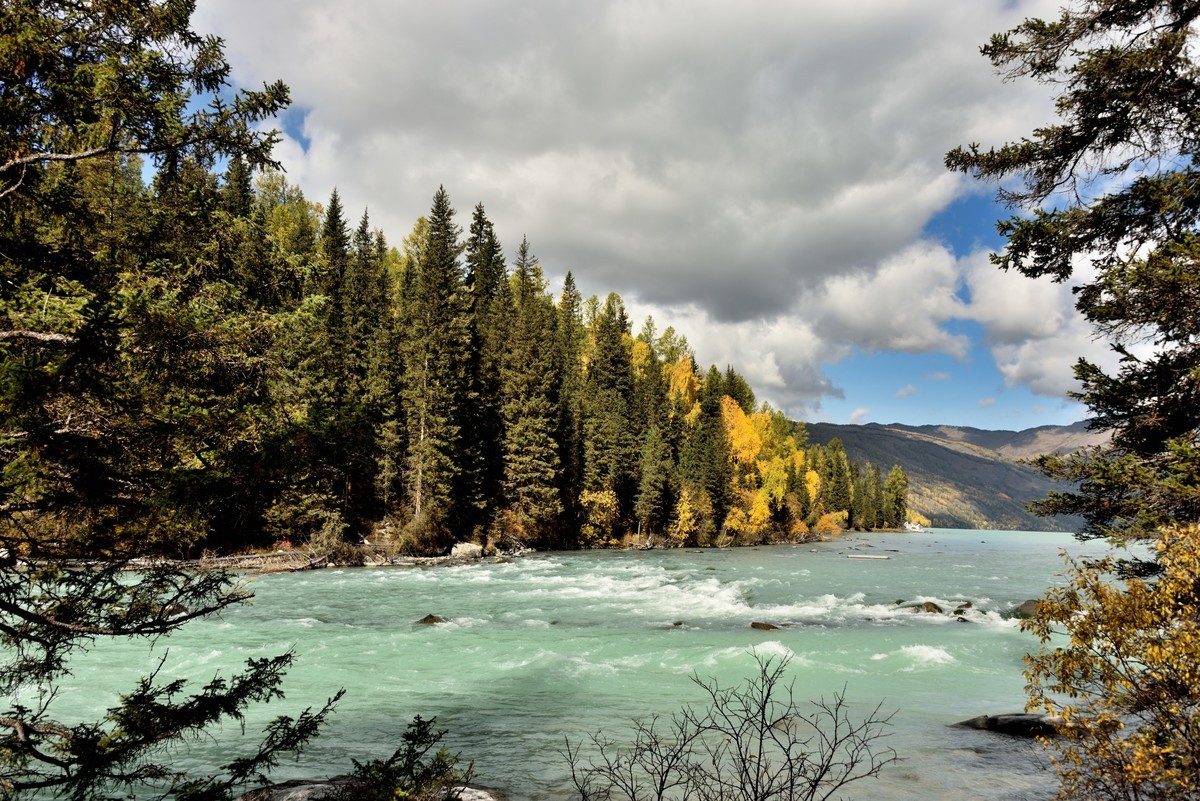
The classic visit walks the lake's outflow river past three successive bays: Crouching Dragon Bay's green coil, Moon Bay's S-curve - the region's single most photographed bend - and dawn-mist Immortal Bay. Above them all, the Fish Viewing Pavilion climbs 1,000-plus steps to a 2,030-meter terrace over the full lake, the claimed observation deck of the 'Kanas lake monster' (a giant taimen fish, most agree).
Kanas anchors a trio of villages collectively nicknamed 'Ka-Bai-He' - Kanas, Baihaba and Hemu - spread along the border zone near the G219 national road's zero-kilometer marker. Autumn (mid-September) paints the valley gold and fills it; winter buries it in powder and empties it into a snow-bound fairy tale. Both seasons are worth the long journey; the summer meadows between them are the crowd's compromise.
Highlights
Moon Bay
The river's S-bend between birch slopes - jade water on gold in autumn, the defining Kanas photograph from the roadside platform.
Fish Viewing Pavilion
The 2,030-meter terrace above the lake: full-water panorama, the bays' curves below, and the monster-watching viewpoint of legend.
The three-bays walk
Crouching Dragon, Moon and Immortal bays linked by boardwalk along the river - mist at dawn, beavers'-castor scat on the banks, silence between shuttle stops.
Tuva village life
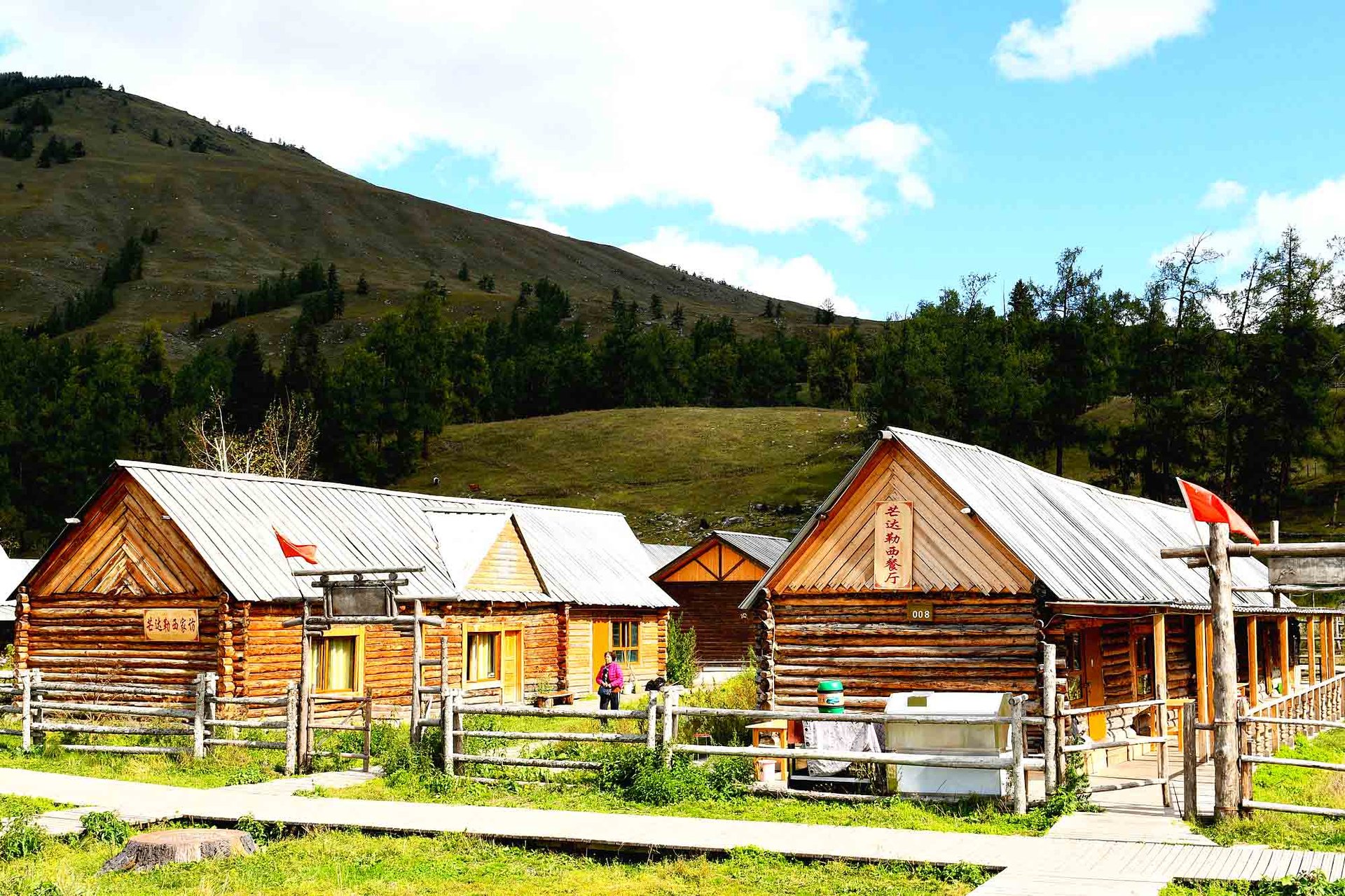
Log cabins, horse fences and milk-tea households in Kanas old village - the living culture inside the scenery.
Kanas Lake boat & shoreline
The deep glacial lake itself - boat rides in season, shoreline walks to the tongue of forest where the water turns milky green.
Winter 'snow capital'
November-April: powder snow over the frozen bays, skiers at Jikepulin, and the 'To the Wonder' landscape at its emptiest and most cinematic.
Photo Gallery
Comments